A Botanical Model Of A Comfrey (Symphytum officinale) By Paul Osterloh
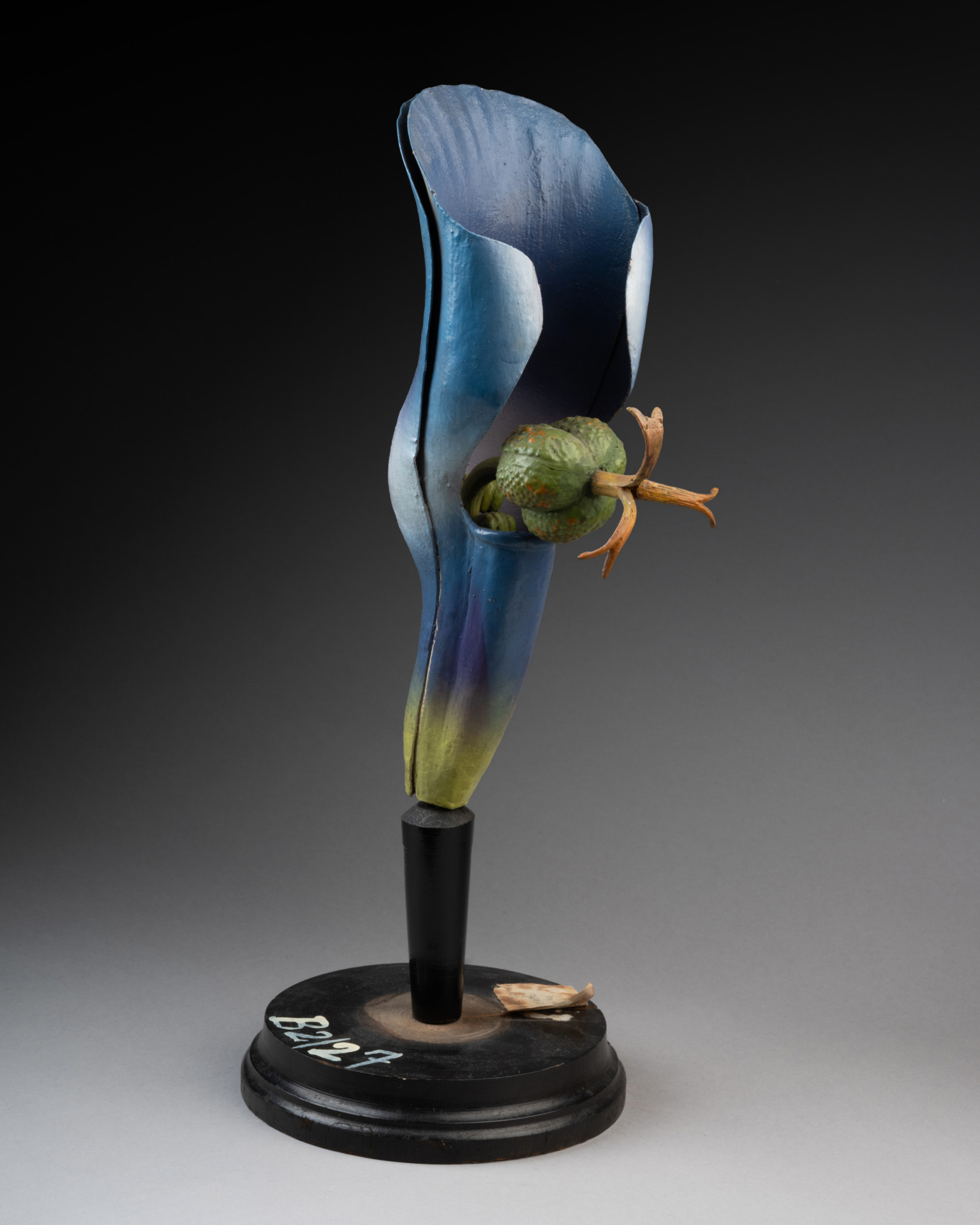
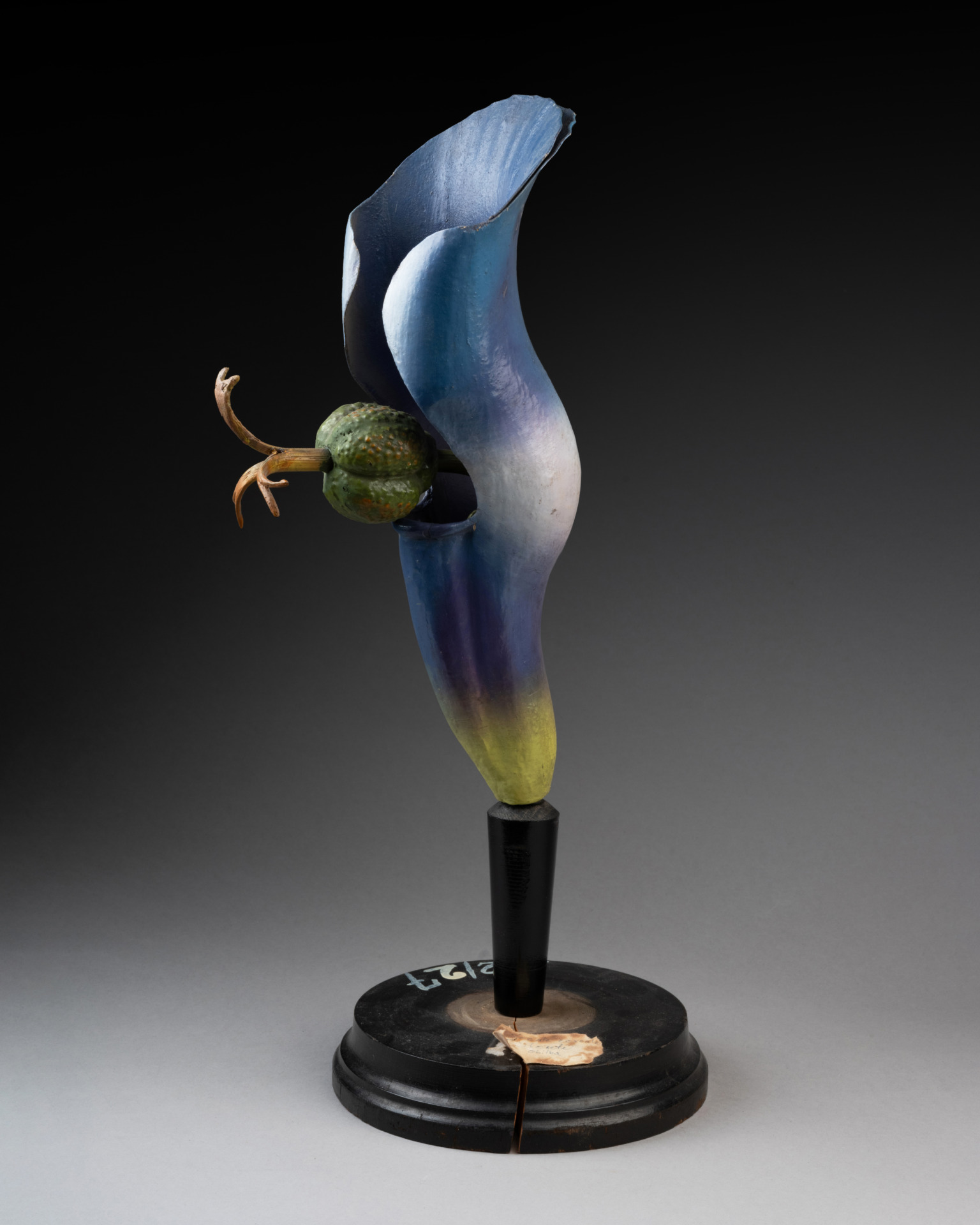
A Botanical Model Of A Comfrey (Symphytum officinale) By Paul Osterloh
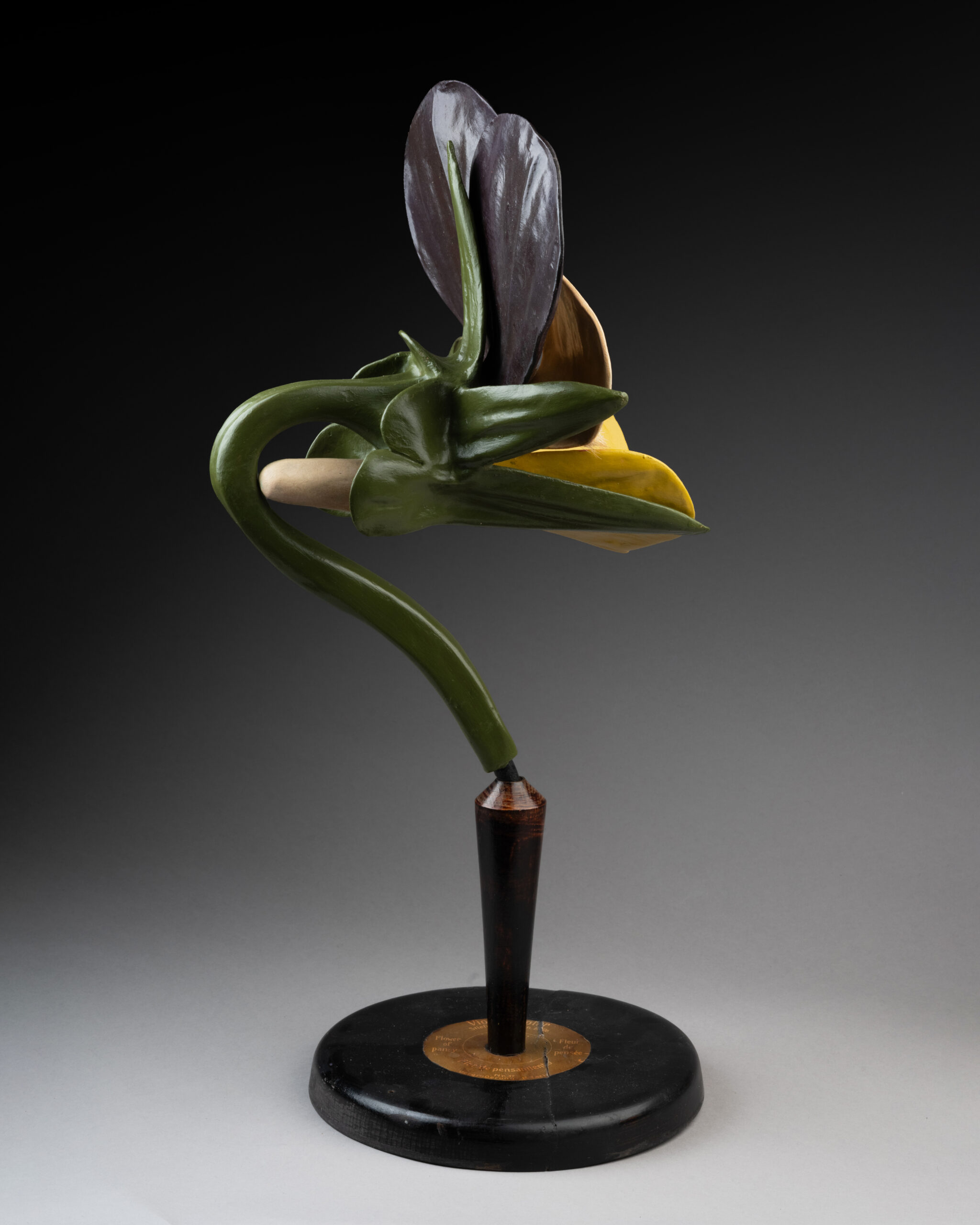
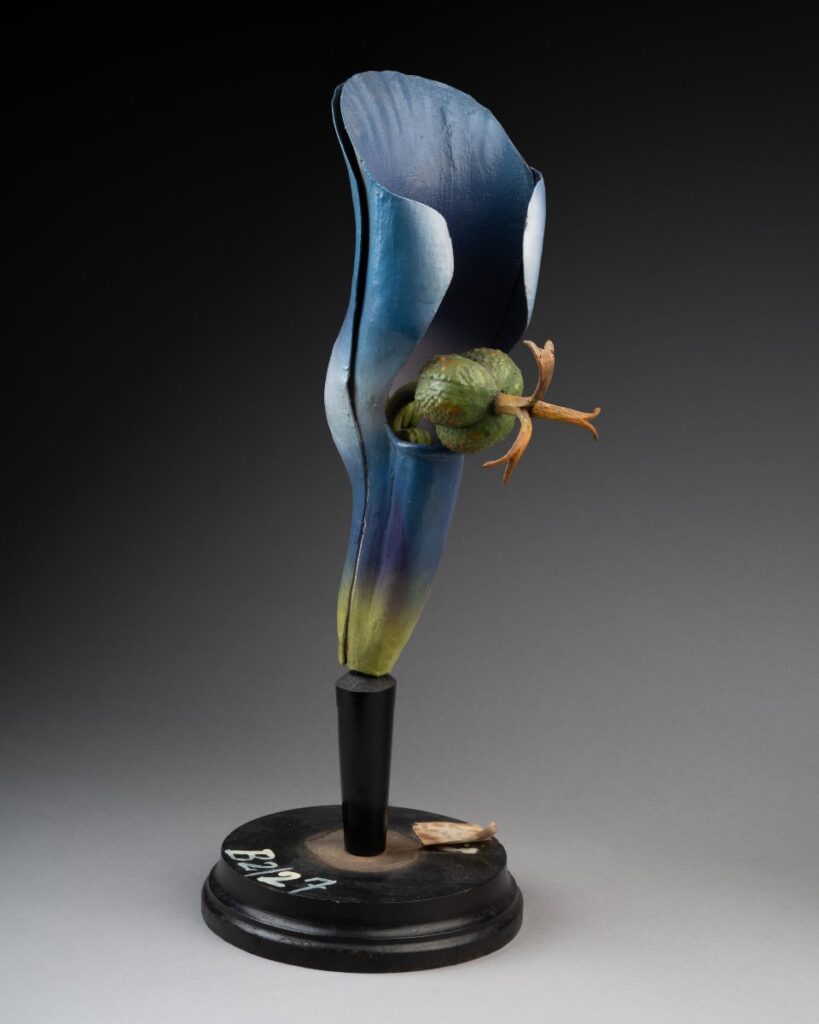
A Botanical model of a Comfrey (Symphytum officinale) by Paul Osterloh Papier-mâché and wood Leipzig ca. 1900 h. 44 cm Provenance: former university institution, Prague
Botanical model of a Symphytum officinale, or comfrey, or even consuelda, designed by Paul Osterloh (1849-1920), a scientific modeler active in Leipzig from 1880, who supplied Humboldt University of Berlin between 1884 and 1913.
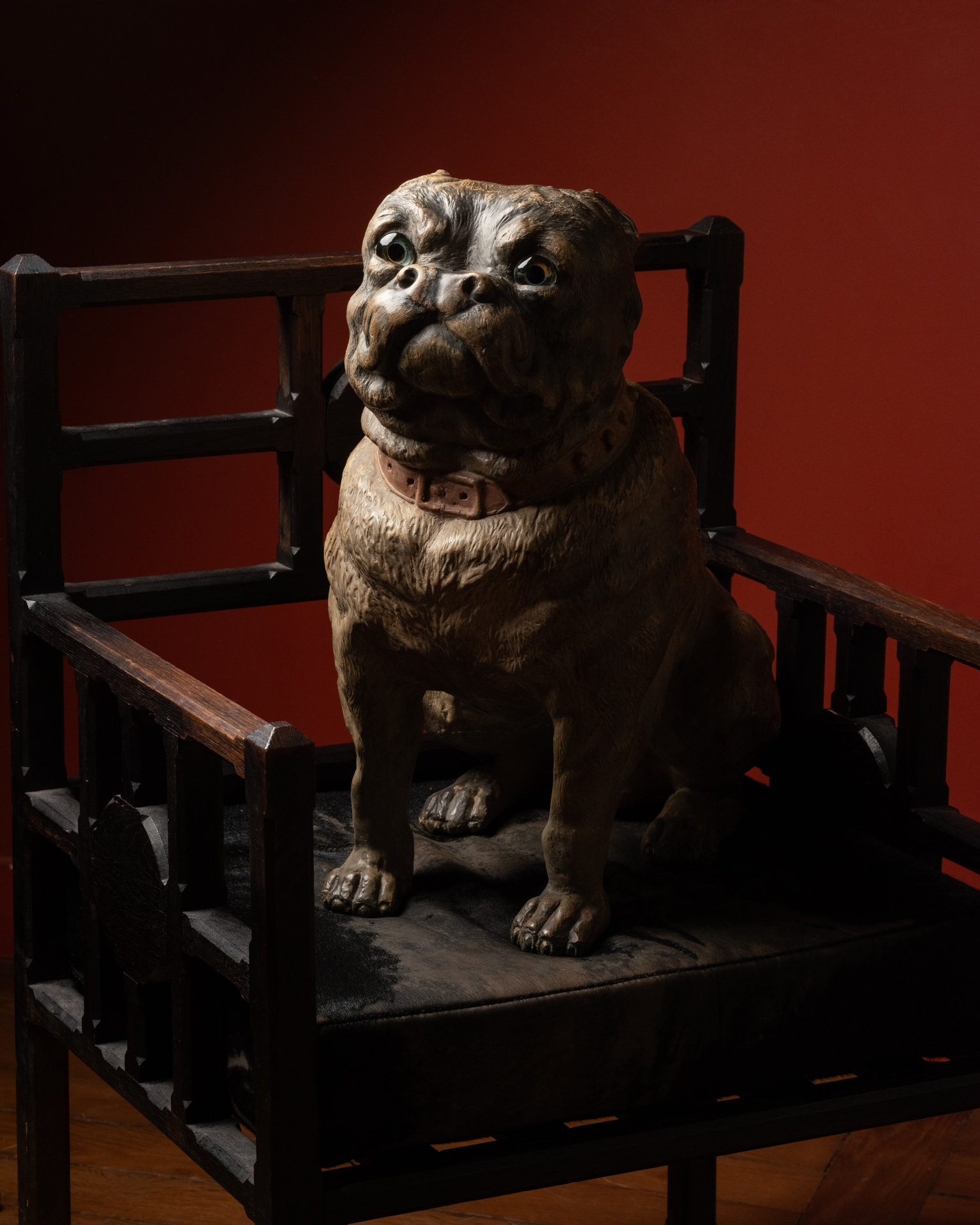
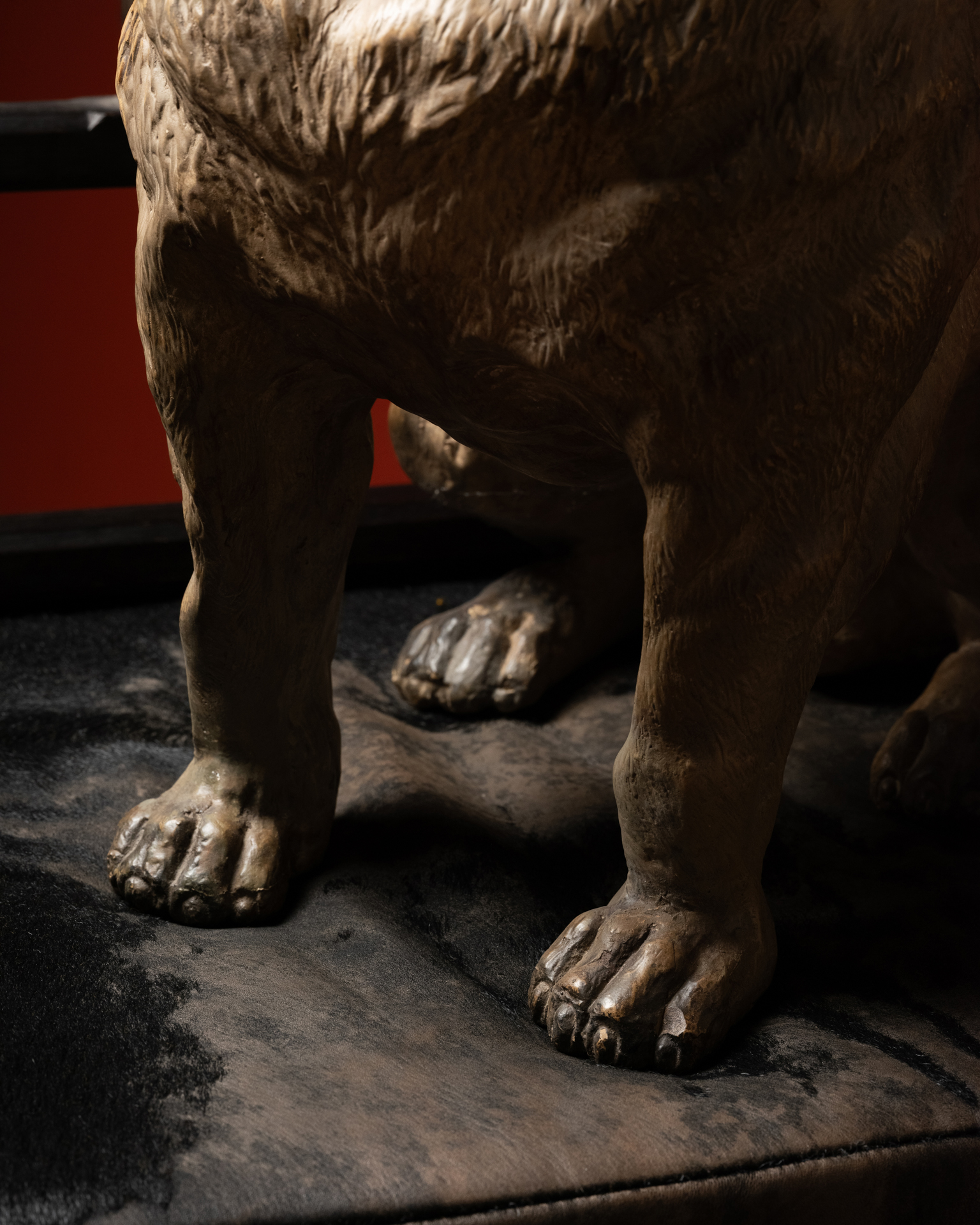
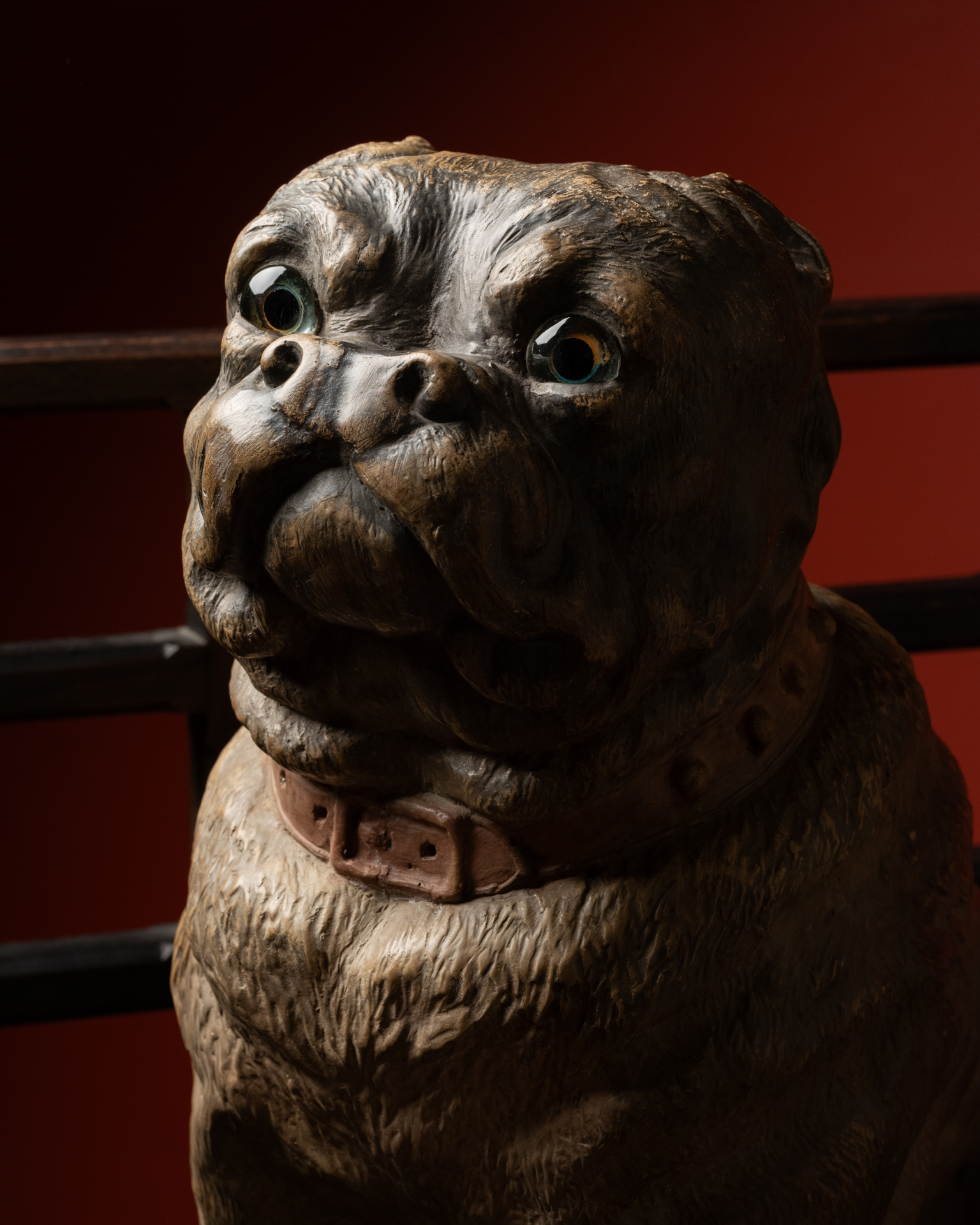
Terracotta and sulphide Czech Republic Late 19th century 52 x 45 x 25 cm (20.5 x 17.7 x 9.85 in.)
Painted terracottas of this type, most often depicting life-size pug with eyes in cristallo-ceramic known as ‘sulphide’, are frequently held to be of Austrian origin on the grounds of their resemblance to the small animal figurines of Friedrich Goldscheider. The hypothesis of a Victorian English production has also been put forward, most likely due to the breed itself and a strong tradition of animal sculpture in porcelain and terracotta in Staffordshire.
It seems more probable, however, that dog sculptures of this kind are of Czech manufacture: similar cold-painted terracotta dogs do indeed bear the mark of Johann Maresch (1821–1914), a Bohemian ceramicist whose manufactory was active in Ústí nad Labem, near the present German-Czech border. The use of sulphide — the encrustation of ceramic forms within molten crystal or glass — further supports this Bohemian hypothesis; and the fact that the Kingdom of Bohemia belonged to the Austro-Hungarian monarchy from the sixteenth century until 1914 might account for the Viennese reputation of these objects.
A Botanical Model Of A Pansy (Viola tricolor)
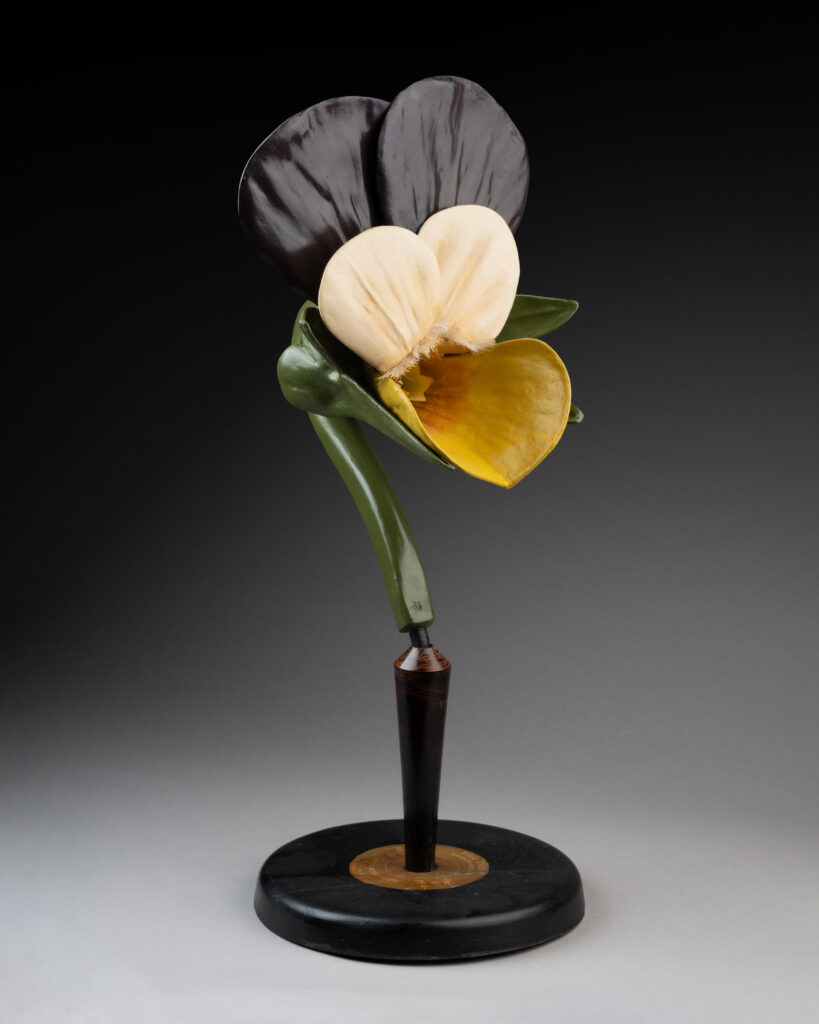
A Botanical Model Of A Pansy (Viola tricolor)
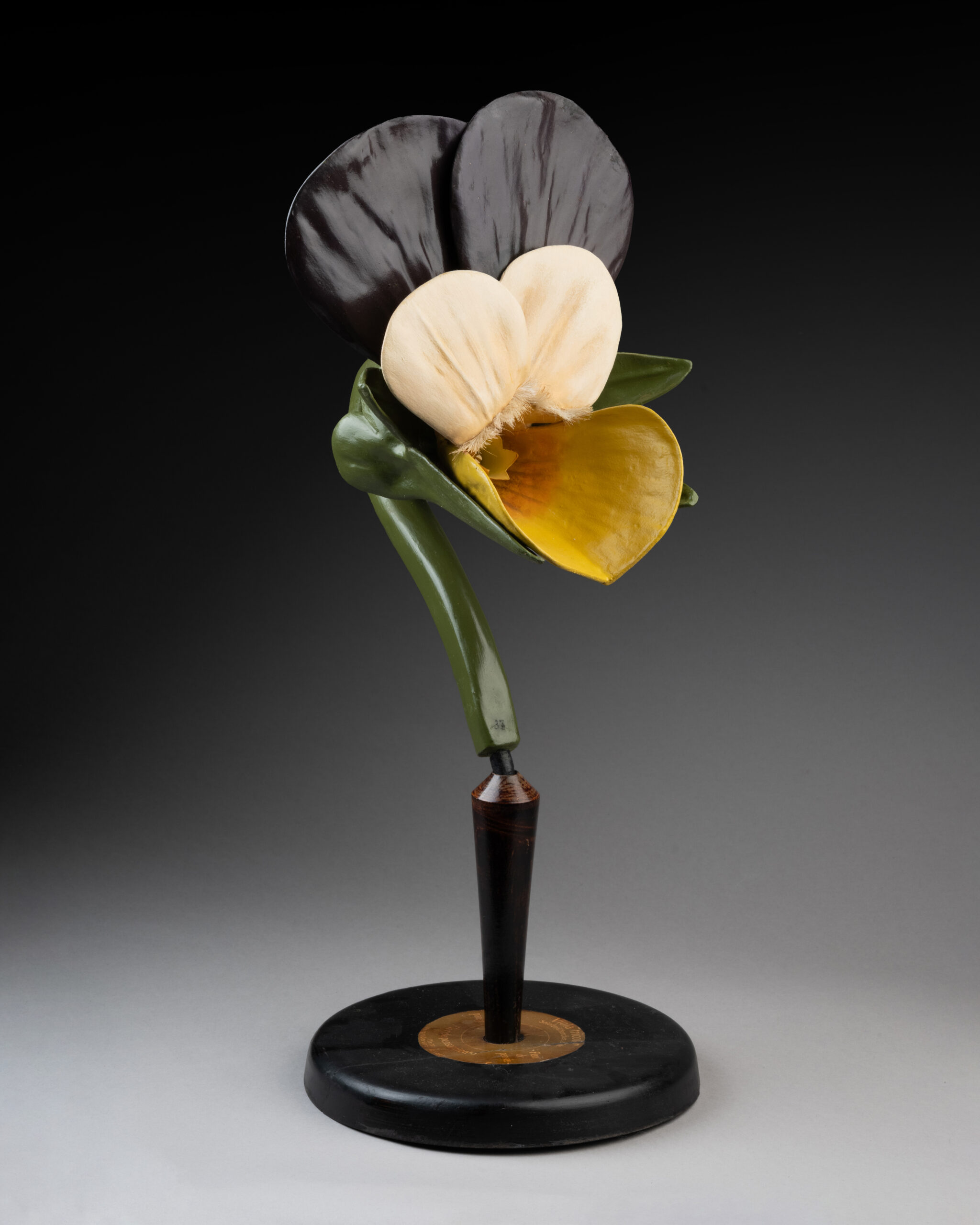
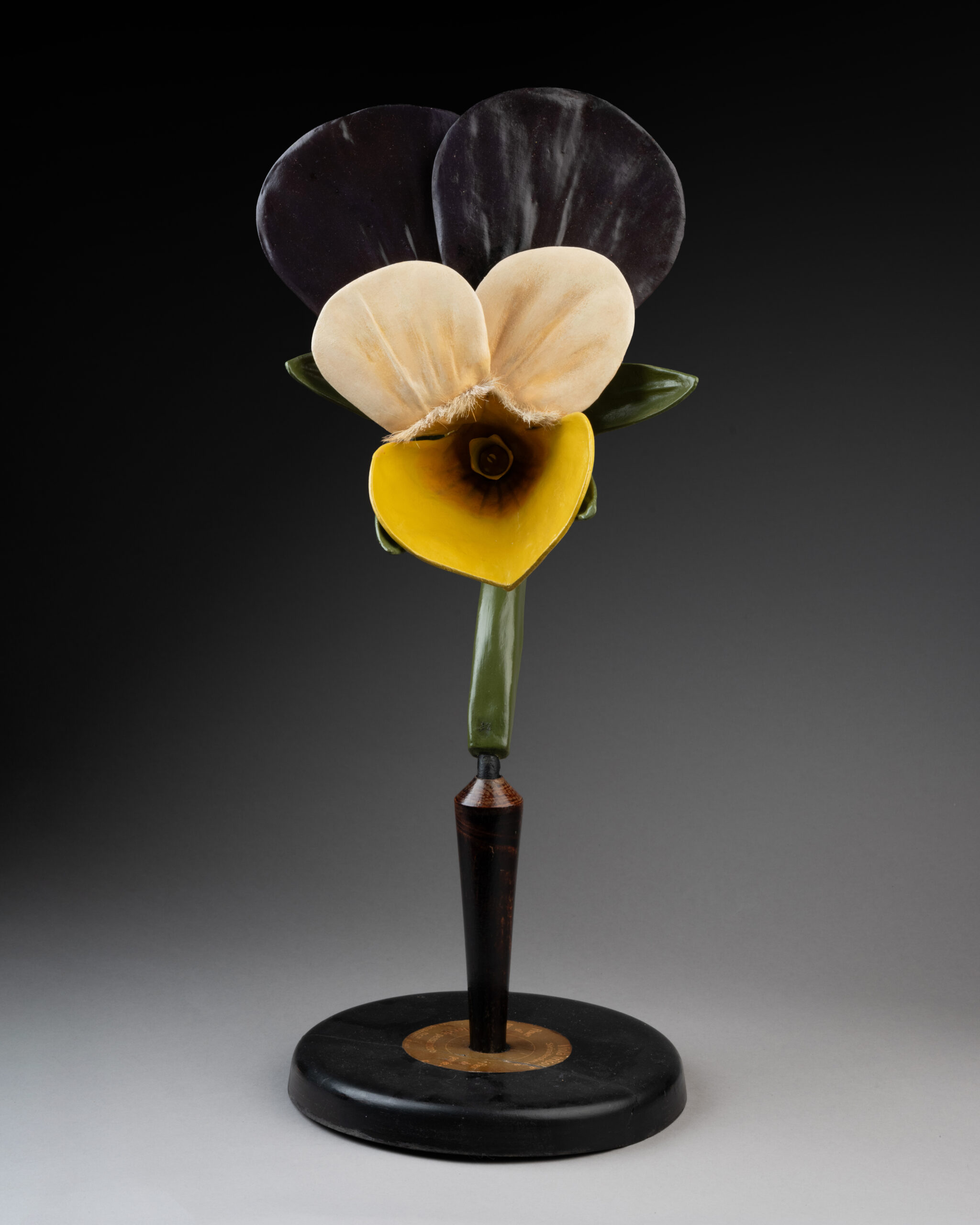
Papier-mâché and wood Leipzig ca. 1900 h. 52 cm (20.25 in.) Provenance: former university institution, Prague
Botanical model of a Viola tricolor, or pansy, designed by Paul Osterloh (1849–1920), a scientific modeler active in Leipzig from 1880, who supplied the Humboldt University of Berlin between 1884 and 1913.
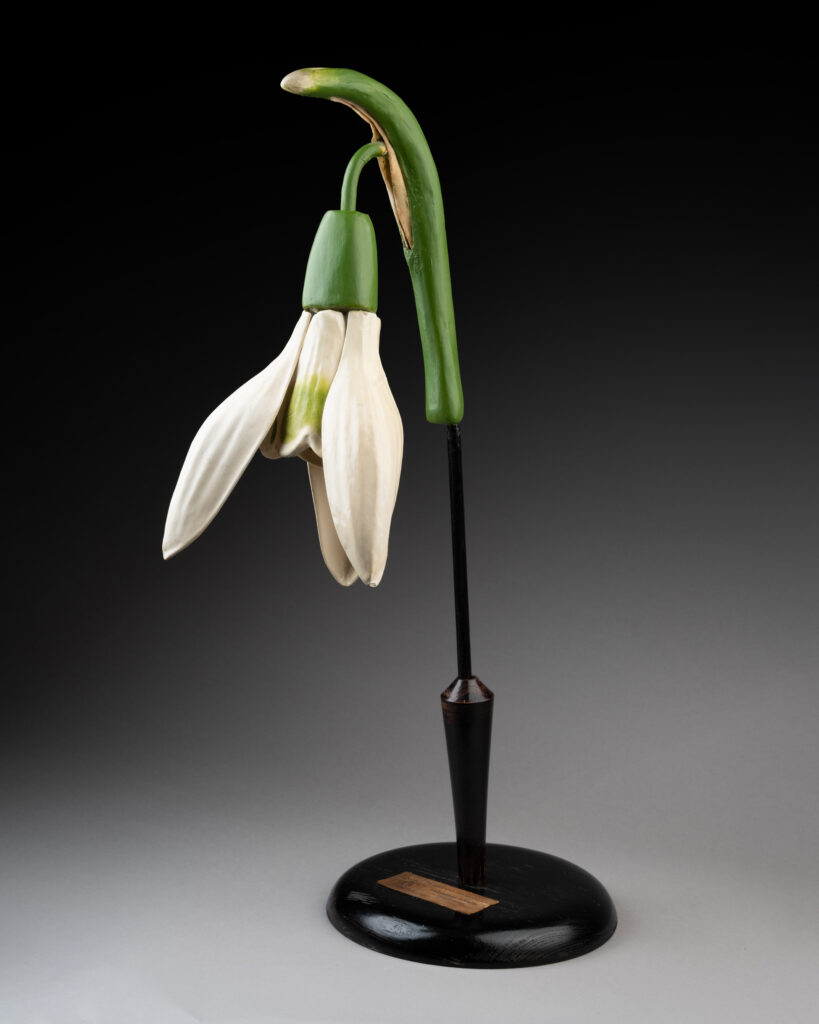
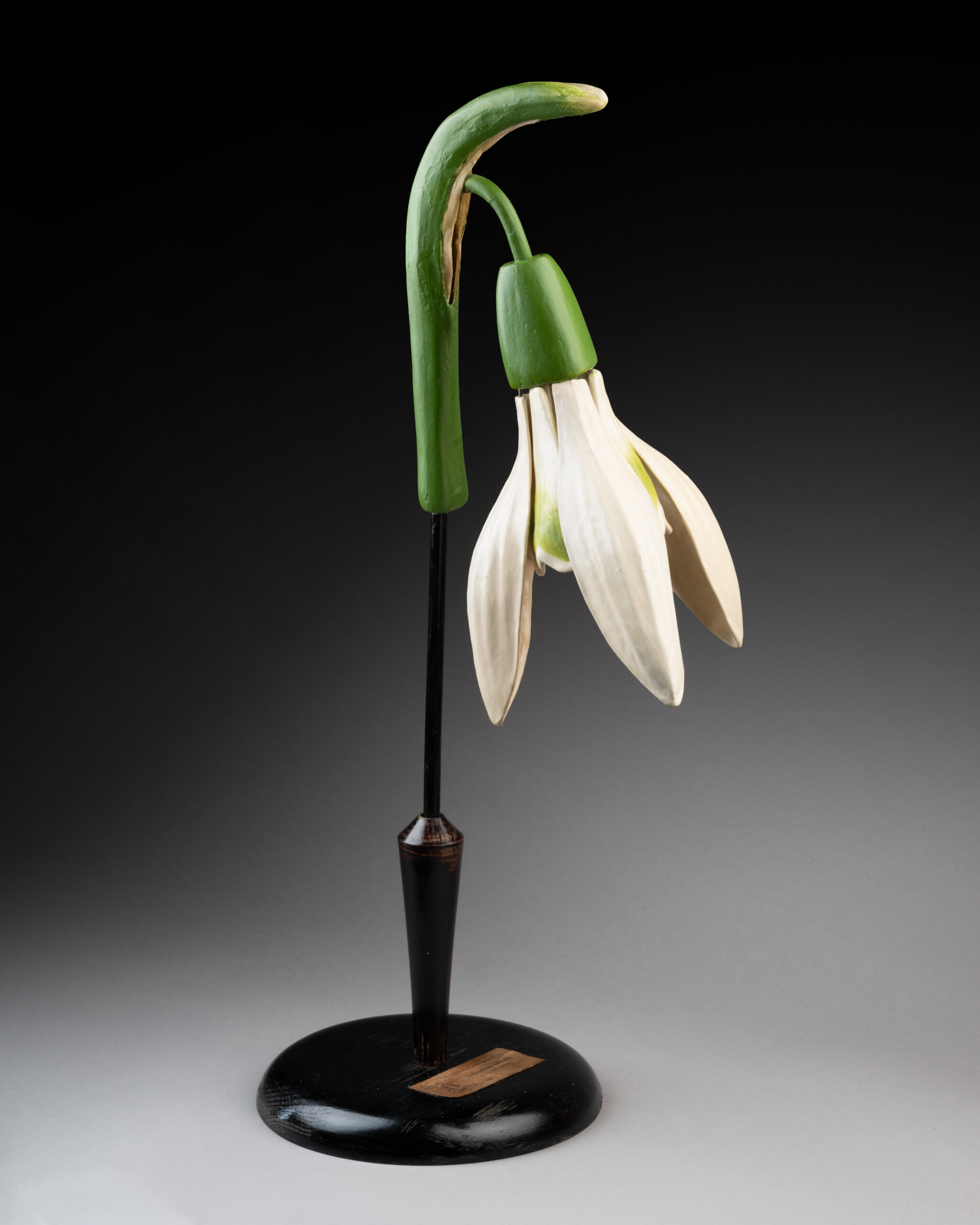
Botanical model of a snowdrop (Galanthus nivalis) by Paul Osterloh
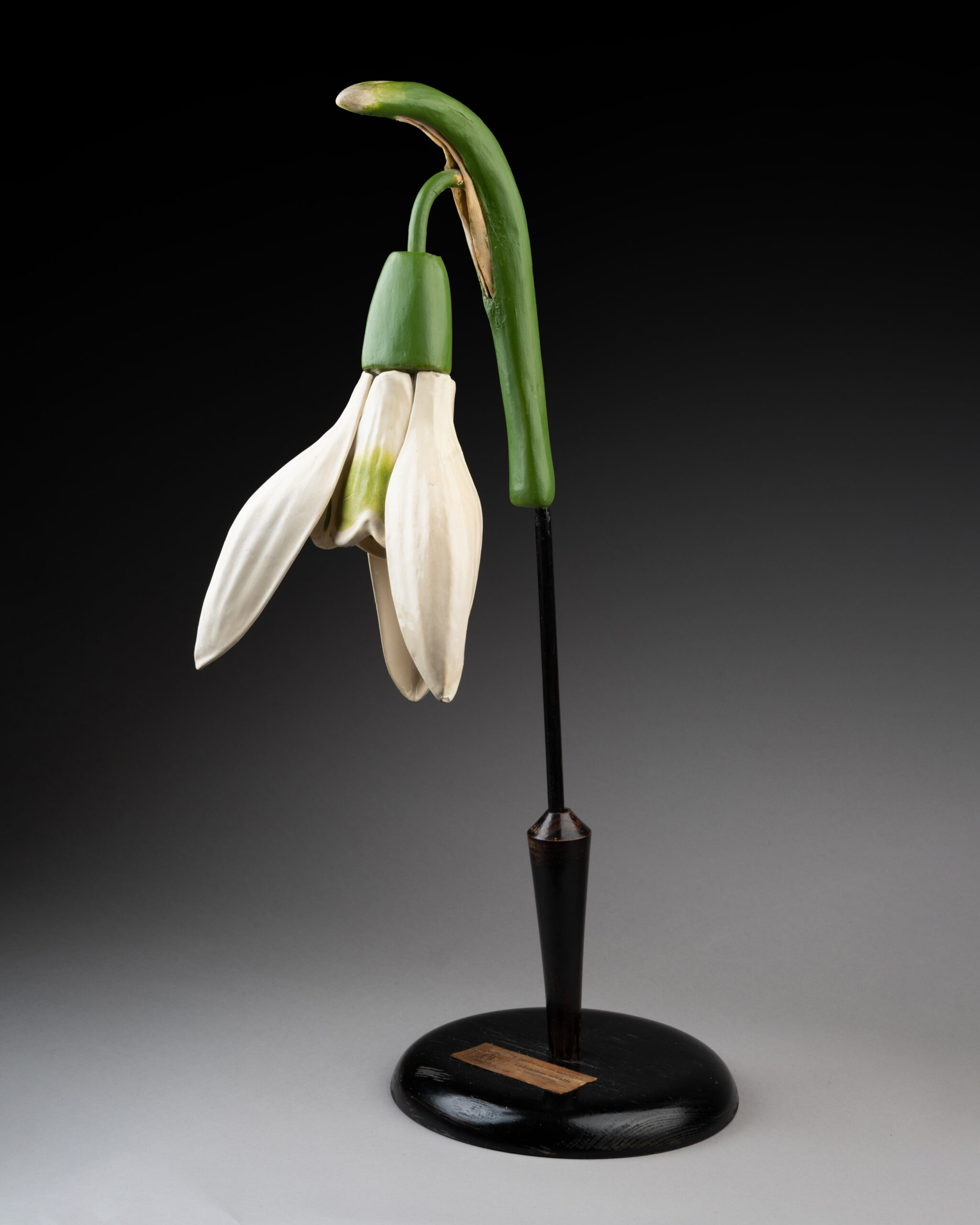
Papier-mâché and wood Leipzig ca. 1900 h. 52 cm (20.5 in.)
Botanical model of a Galanthus nivalis, or snowdrop, designed by Paul Osterloh (1849-1920), a scientific modeler active in Leipzig from 1880, who supplied Berlin’s Humboldt University between 1884 and 1913.
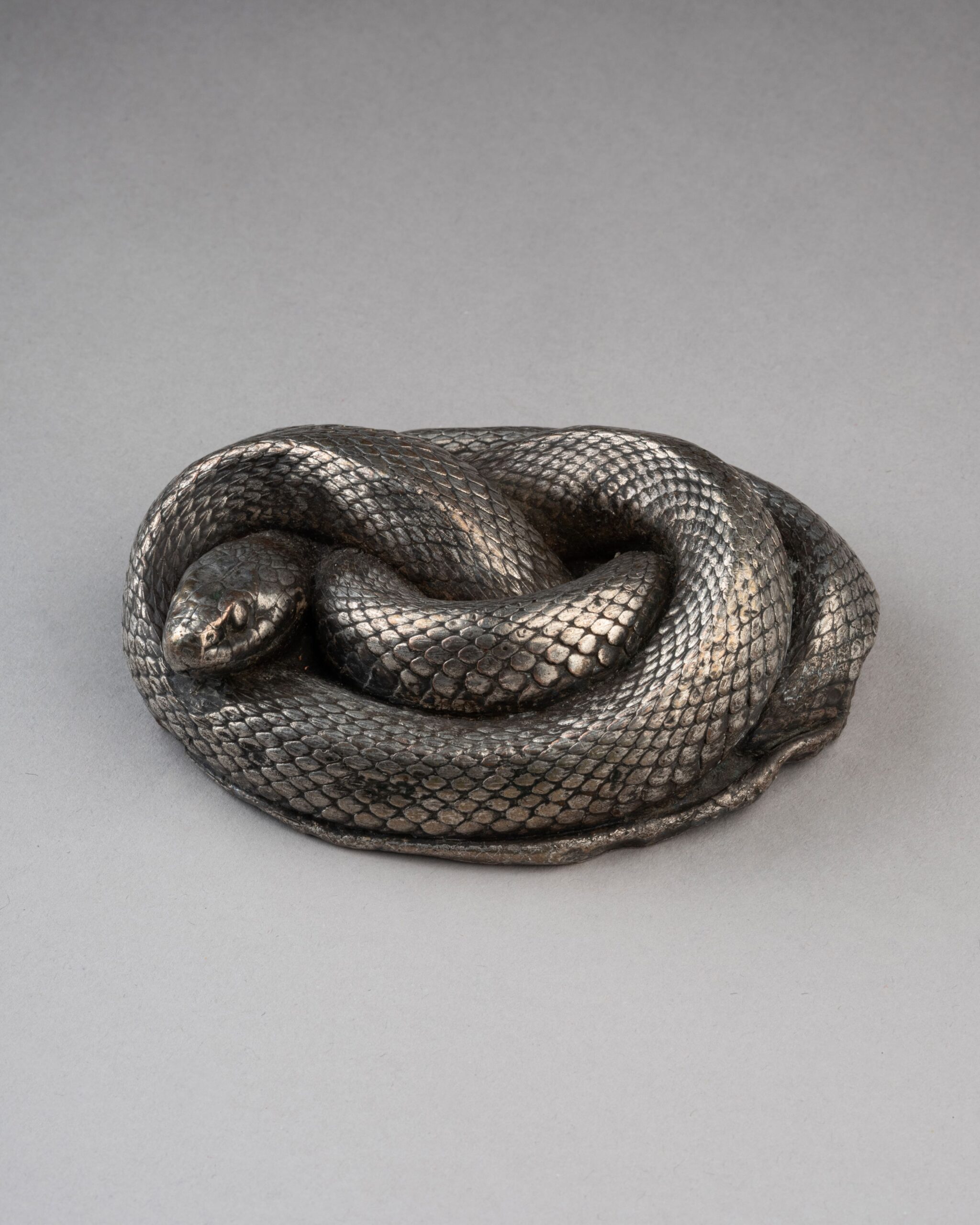
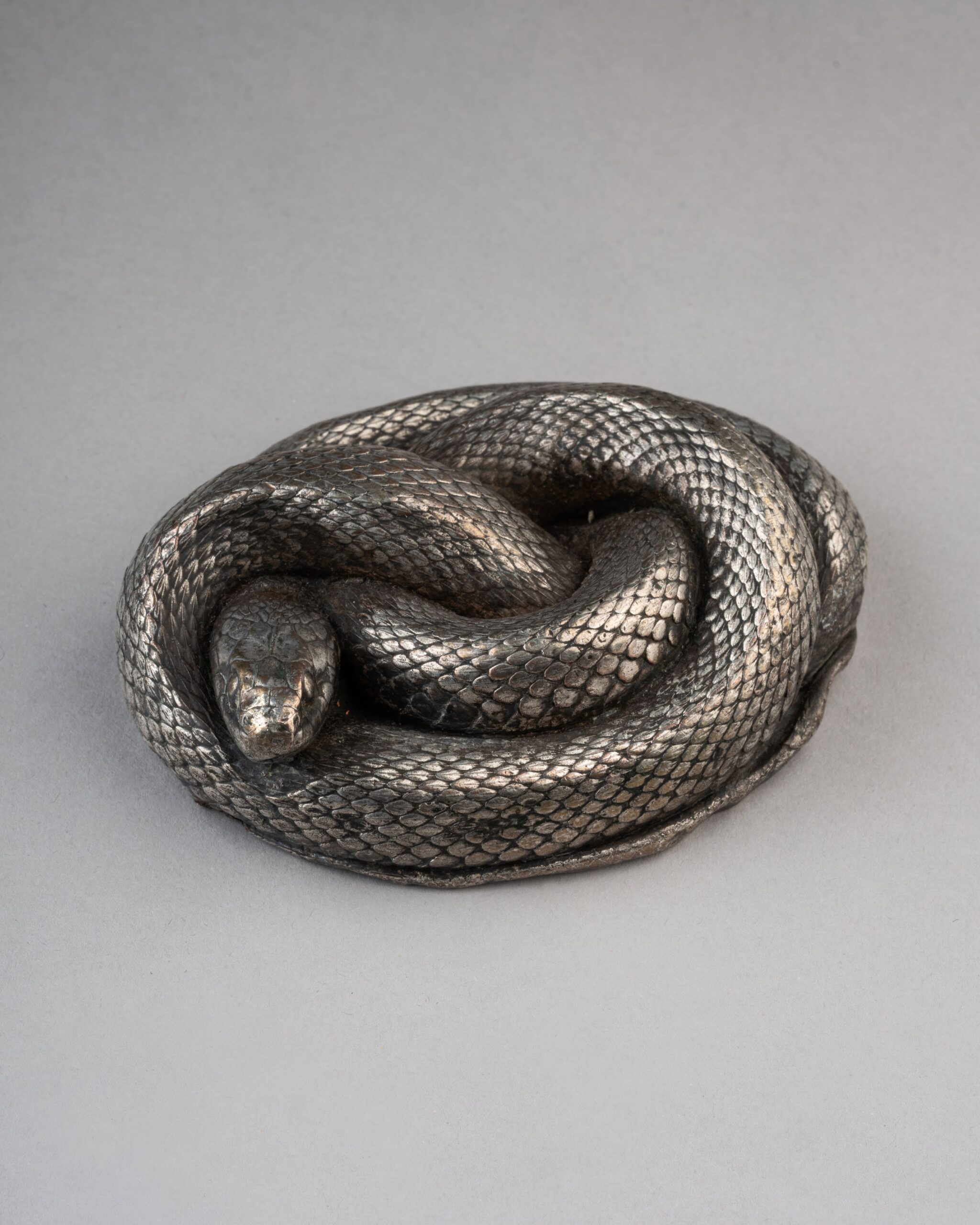
Bronze with copper alloy, traces of silver Italy 19th century 11 × 9 cm (4.3 × 3.5 in.)
The appearance of the alloy and the surface treatment of this grass snake are very close to those of a brass serpent held in the Kunstkammer, no. 5907, at the Kunsthistorisches Museum in Vienna, described as a life cast of Paduan origin from the late sixteenth century, in a tin-and-lead alloy with traces of silvering.
Although the present serpent, also silvered, though of a thick cast in a copper alloy, clearly refers to such Paduan casts, caution requires that it be regarded as a late Italian homage, probably from the second third of the nineteenth century.
Bronze serpents of this type, as was noted of a Paduan serpent of similar kind in the catalogue of the exhibition Natur und Antike in der Renaissance, ‘depart far from the naturalistic spirit of the Paduan humanist cabinets. They may therefore have served as paperweights.’
Literature
See Natur und Antike in der Renaissance, Frankfurt, 1986.
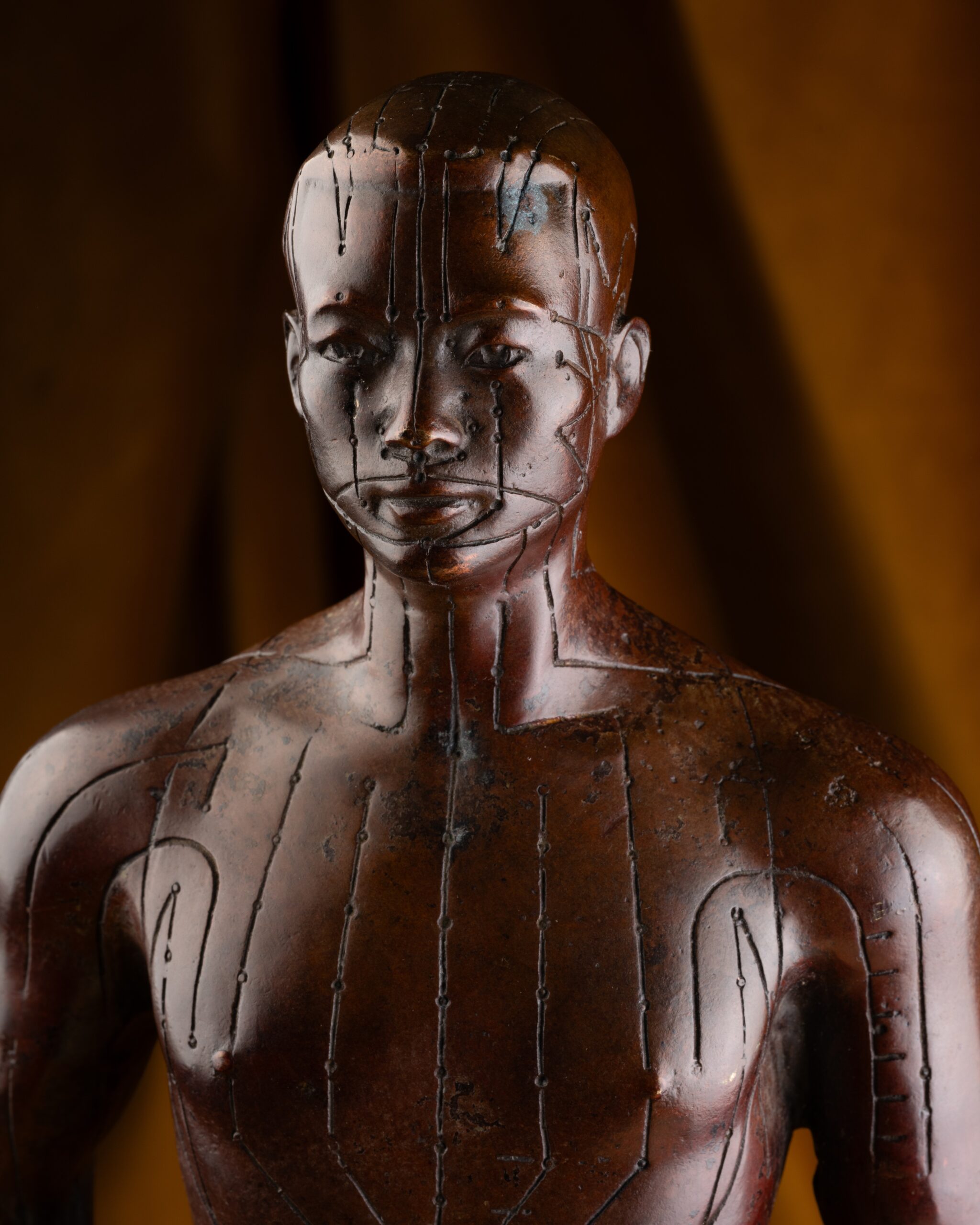
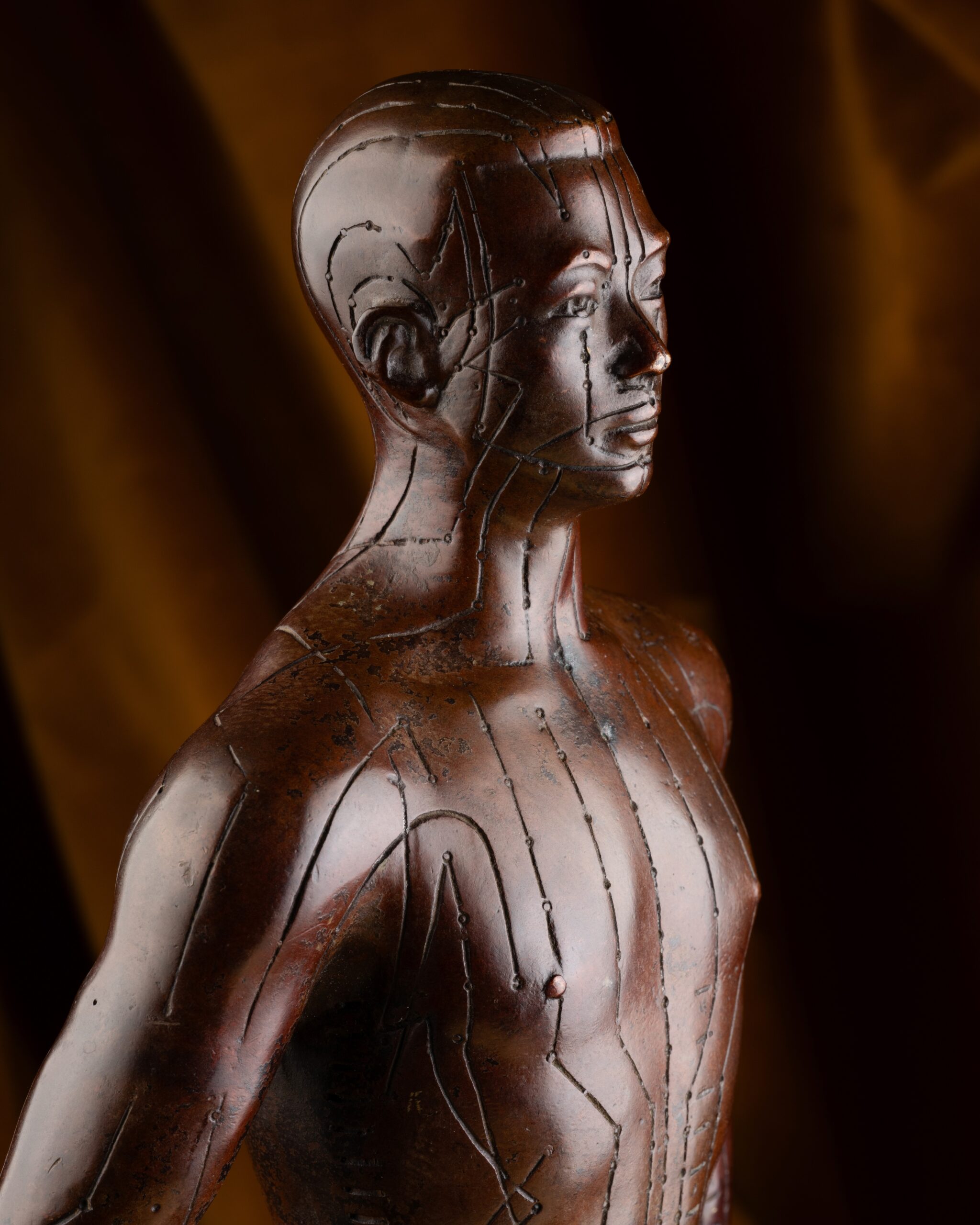
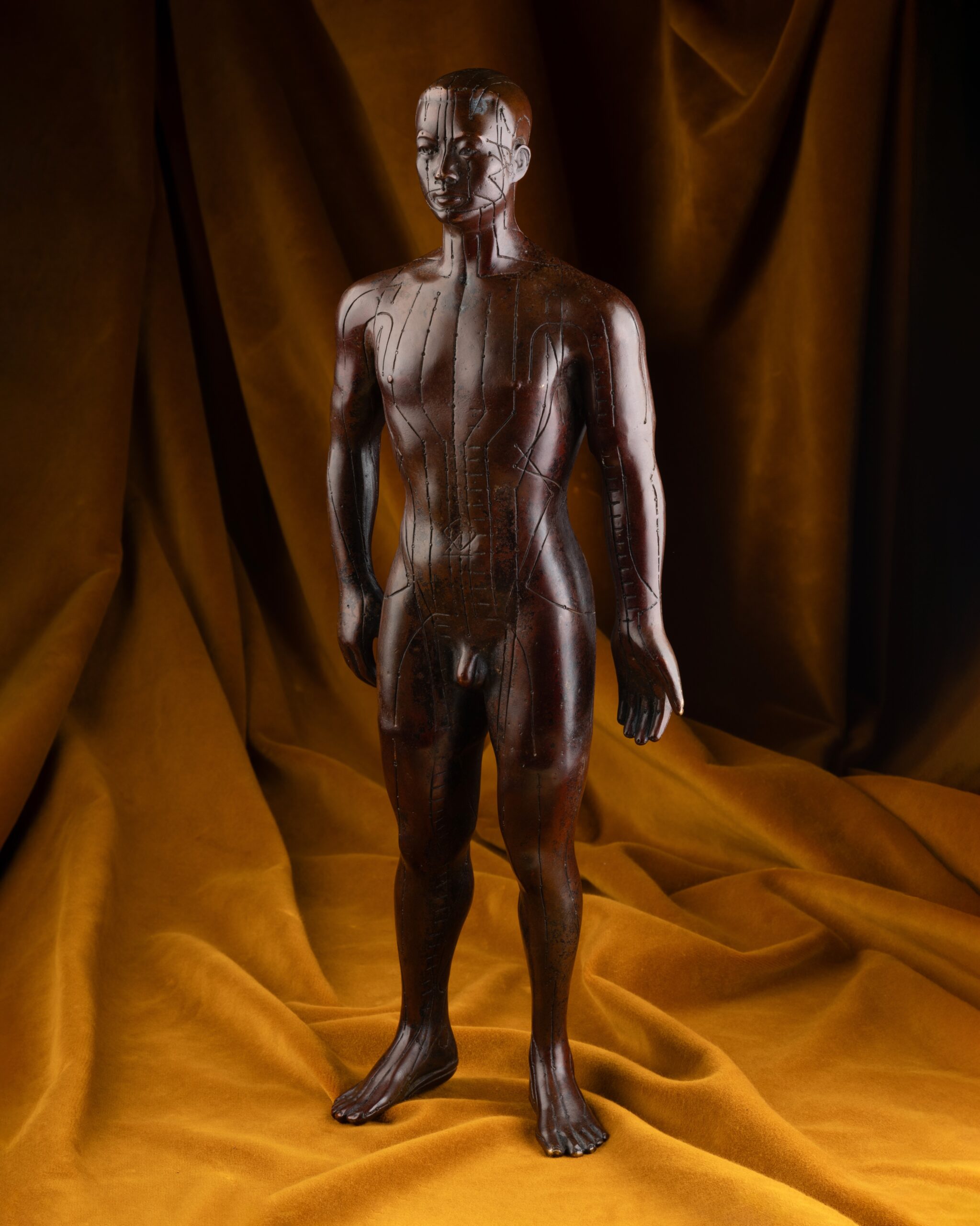
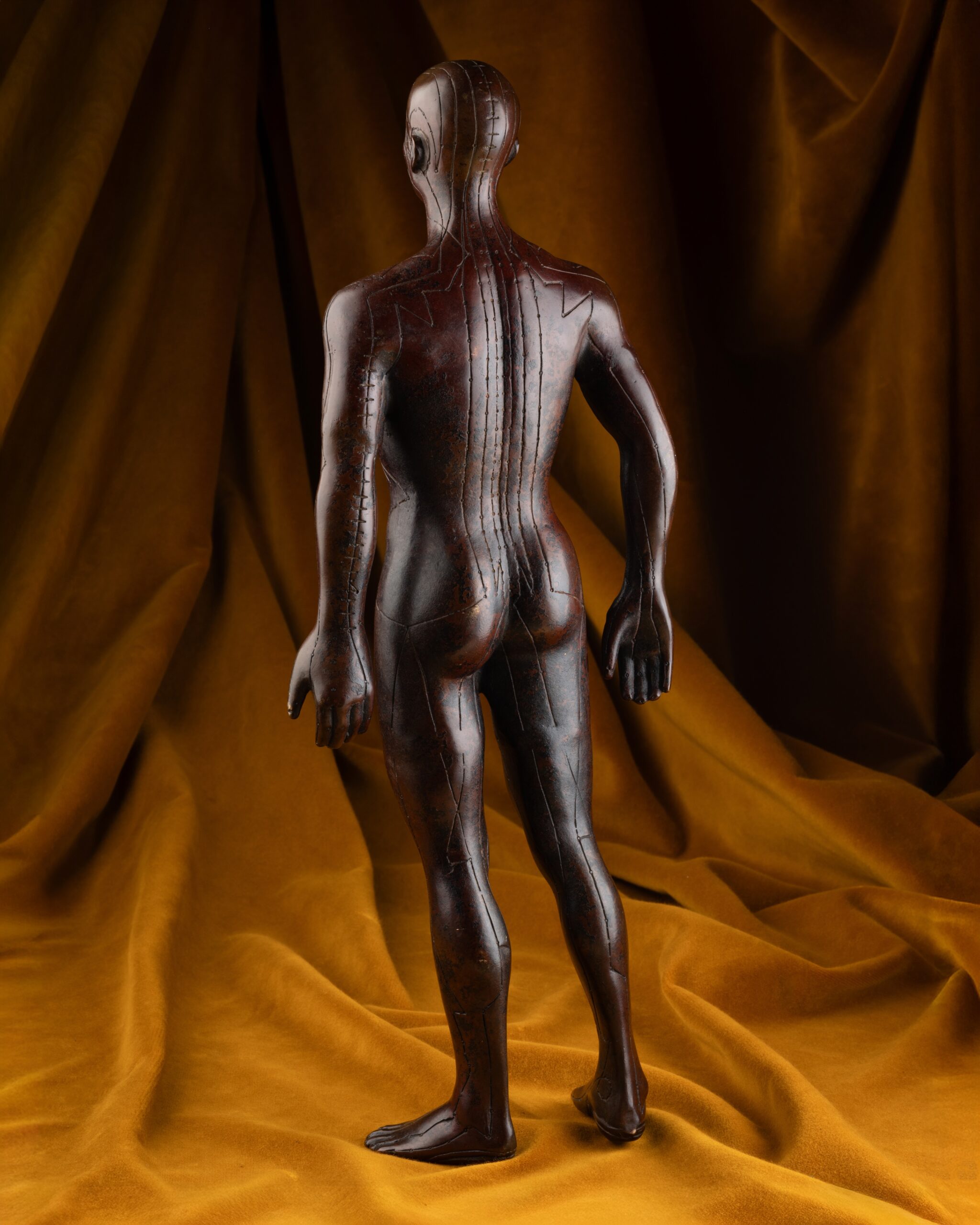
A Modern Bronze Acupuncture Model, Or Tong Ren
A Modern Bronze Acupuncture Model, or Tong Ren
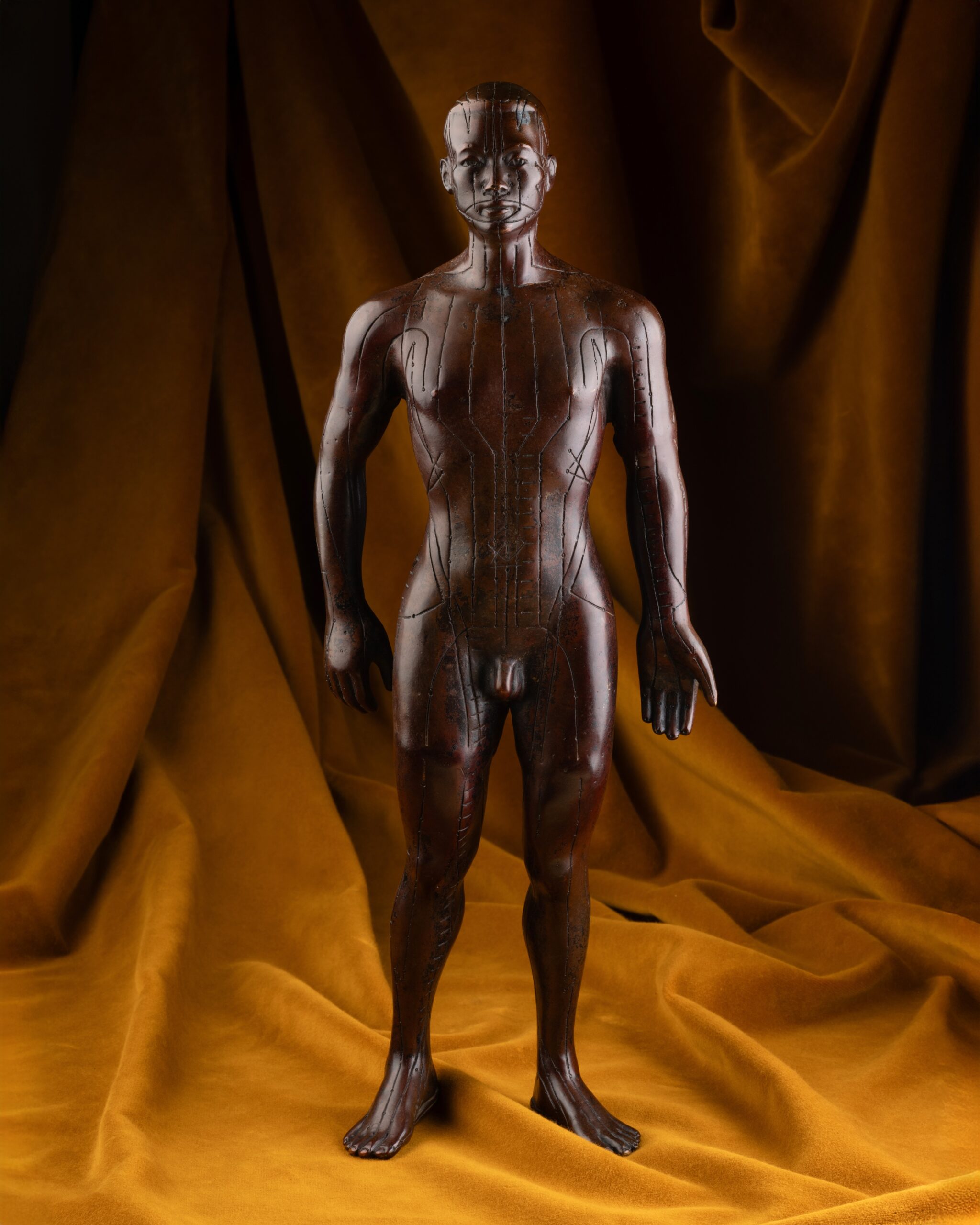
Bronze China h. 47 cm (18.5 in.)
This acupuncture bronze model, or tong ren, represents an interesting synthesis of art and medical science, rooted in a tradition of acupuncture education dating back to the Song Dynasty in 11th-century China. Far more than a decorative sculpture, it serves as a standardized three-dimensional textbook, meticulously mapping the meridians and acupoints through which Qi is believed to flow.
This specific figure is a Modern iteration of the classical medical model, produced via sand casting with a sand core. Cast in a heavy bronze alloy, the sculpture features a dark, oxidized patina that accentuates the intricate network of 361 primary acupuncture points and 14 major meridians (Jingluo) integrated directly into the metal. The anatomy is presented in a rigid, formalized “anatomical position” to ensure an unobstructed view of the pathways and the Chinese characters identifying each site. It functions as a precise cartographic instrument, codifying the body as a “microcosm” of universal forces and providing a tangible, durable reference for the complex topography of Traditional Chinese Medicine.
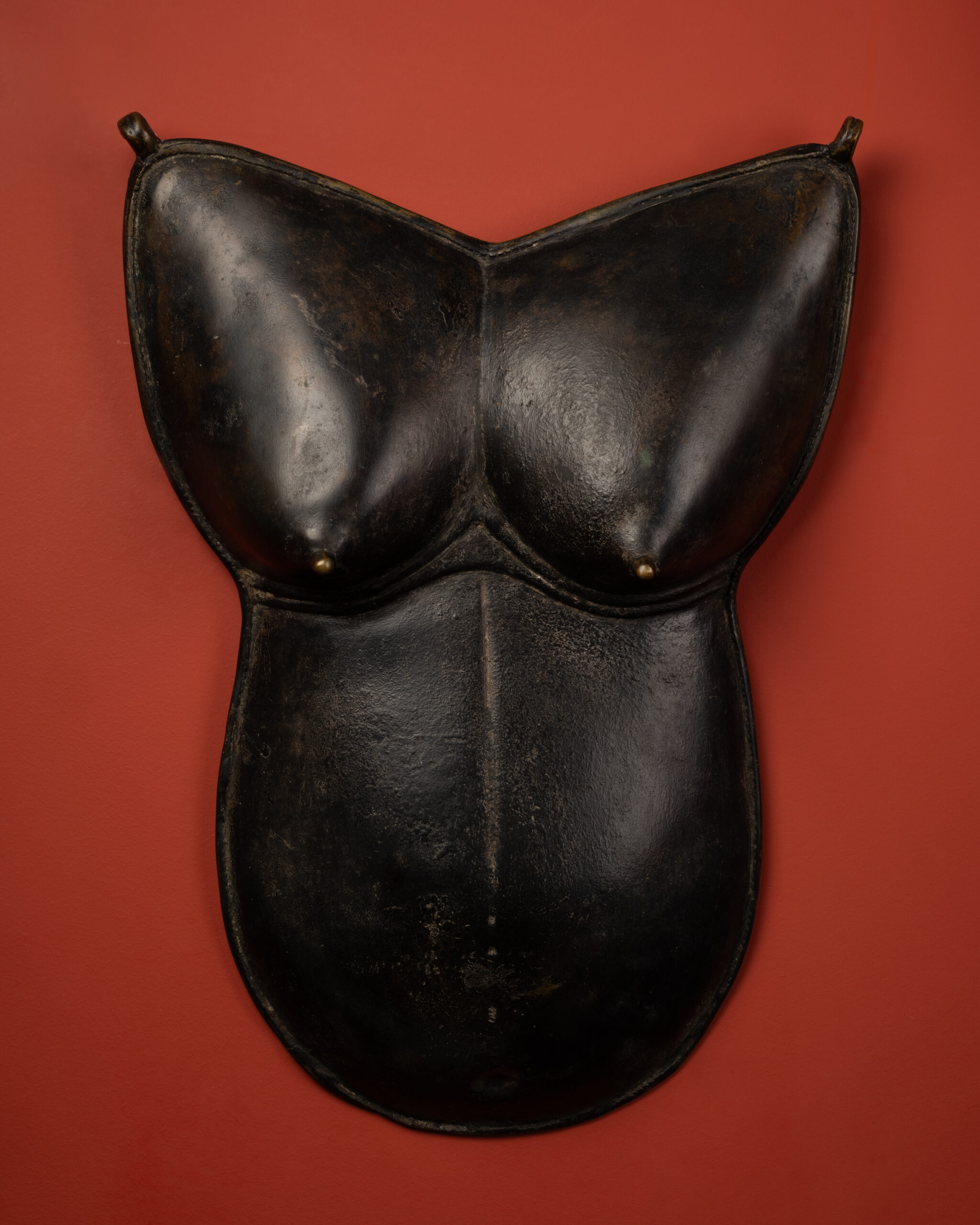
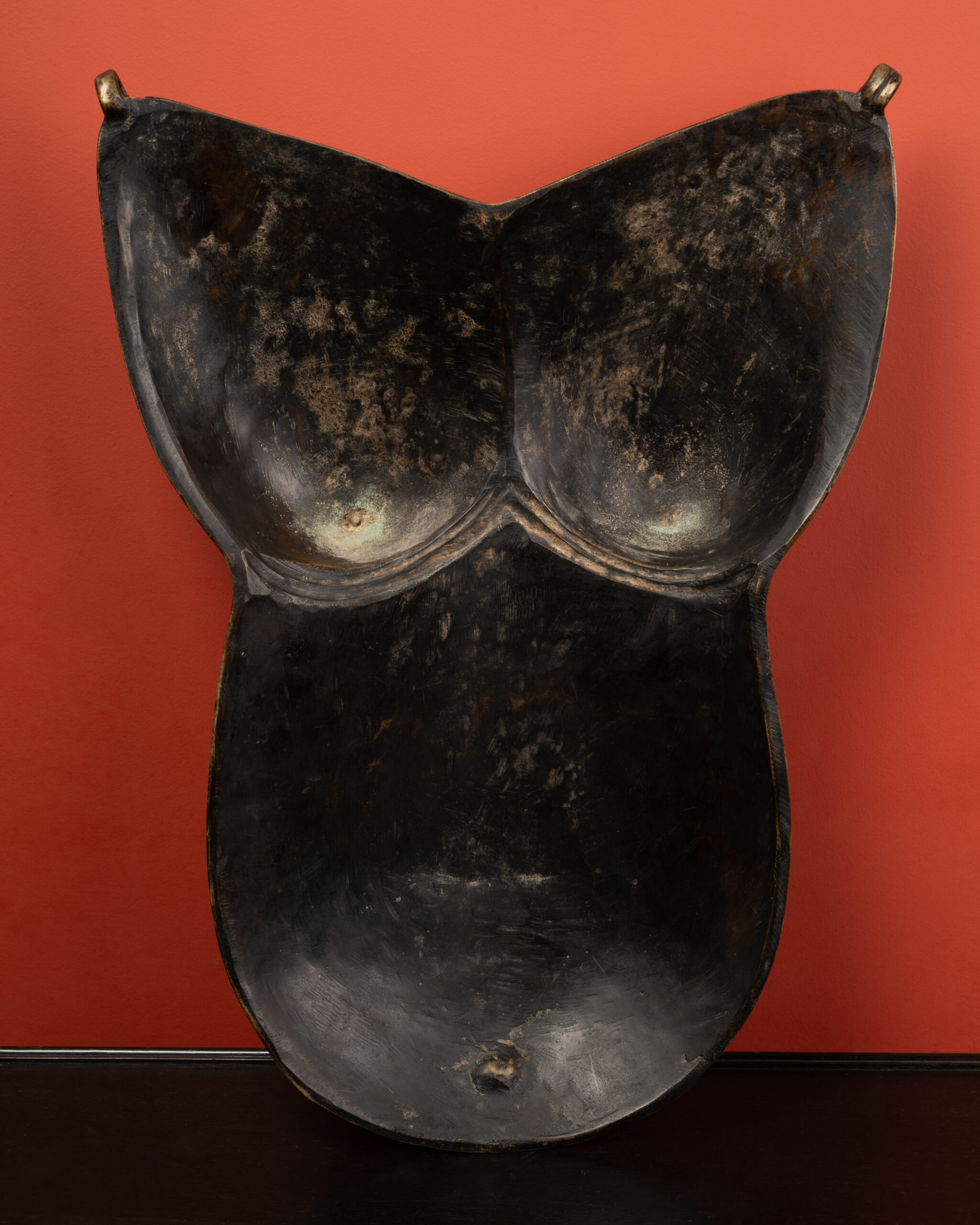
An Indian bronze ‘body mask’ worn during the bhûta ceremonies
An Indian bronze ‘body mask’ worn during the bhûta ceremonies
Bronze Karnataka (West India) 18th or 19th century 42 x 31 cm (16.5 x 21.6 in.)
A 18th century bronze ceremonial bronze bhûta chestplate or ‘body mask’, used during the ceremony of Dharmanema in the coastal region of Karnataka in West India.
These ‘body masks’ were worn — mostly with proper masks or helmets — by mediums embodying the female bhûta spirits they wished to invoke, allowing these spirits to express themselves through the medium during his trance. In an all-night festival, sponsored by the families seeking guidance, a male medium would don the mask, inviting the bhuta to possess him. He then sings, dances, tells stories, offers advice for daily life, helps resolve conflicts, and shares myths associated with these spirits through narration or song.
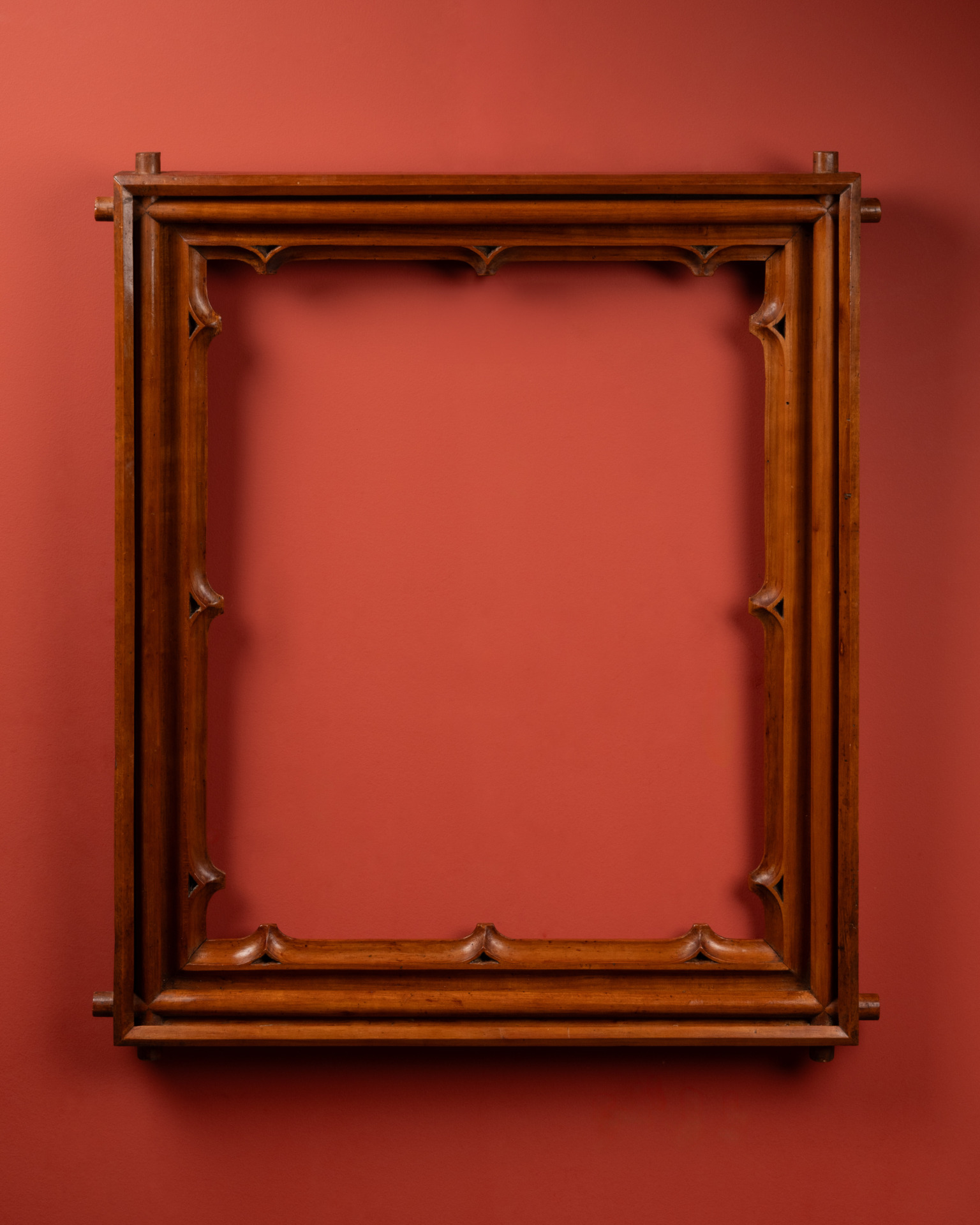
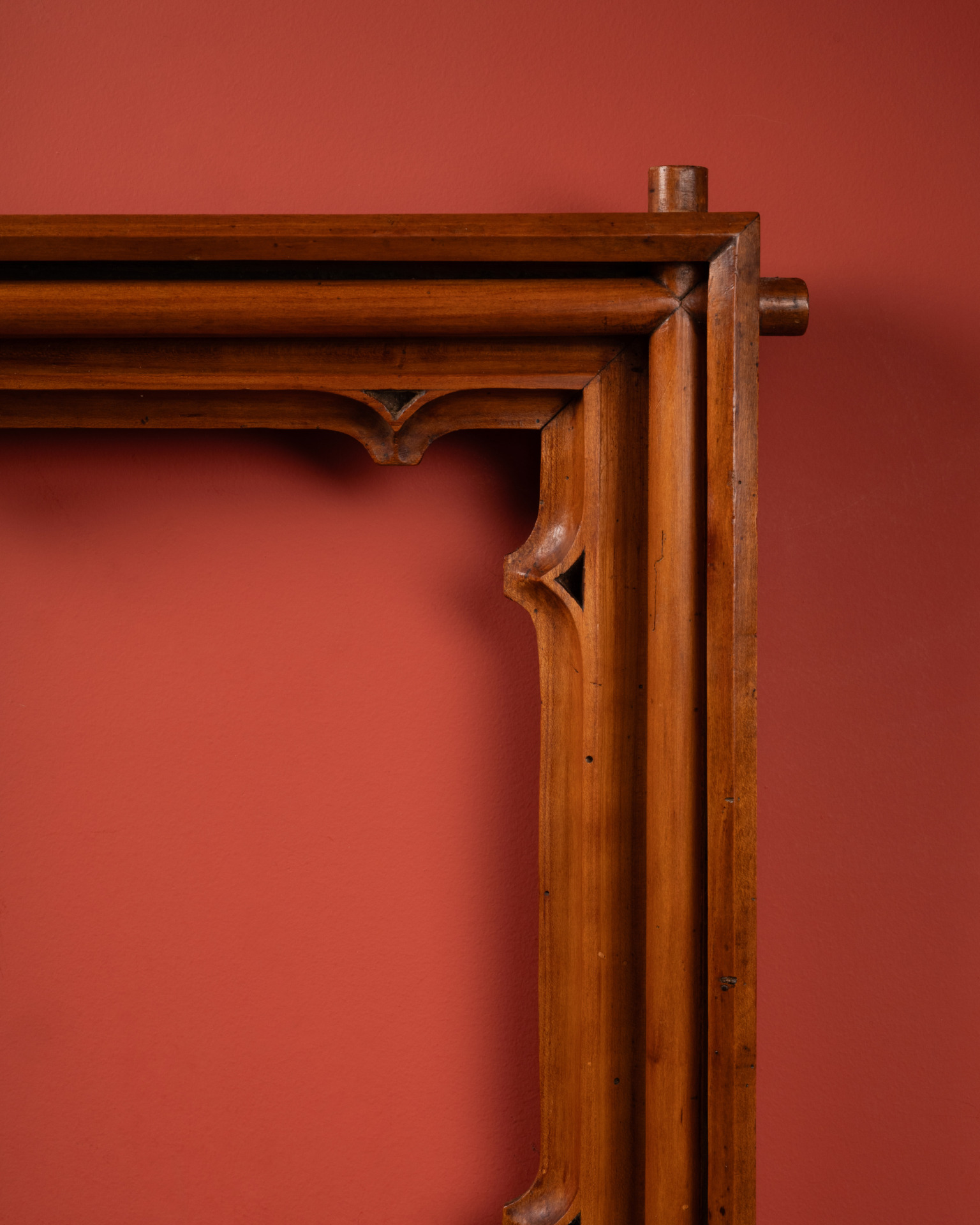
A Neo-Gothic Picture Frame
A Neo-Gothic Picture Frame
A Neo-Gothic picture frame Pine wood Middle of the 19th century 60 x 52 cm (23.6 x 20.4 in.)
A Neo-Gothic, pine wood picture frame ornated with architectural ‘redents’ imitating Gothic window mullions.
Similar picture frames, inspired by Gothic architecture, were designed for many Romantic and Nazarene paintings towards the middle of the nineteenth century. Paul Mitchell and Merrell Holberton (authors of A History of European Picture Frames) mention a frame with similar characteristics custom made for a Visitation by Ernst Deger. The frame of this painting, exhibited in Düsseldorf, features similar compartments inspired by Gothic architecture. They also mention a frame designed for Austrian Nazarene painter Joseph Führich’s The Road to Emmaus, with ‘inner and outer ribs intersect at the corners’.
Literature
See Eugène-Emmanuel Viollet-le-Duc, Dictionnaire raisonné de l’architecture française du XIe au XVIe siècle, Paris, 1858, Henry Heydenryk, The Art and History of Frames, New York, 1993 and Paul Mitchell and Merrell Holberton, A History of European Picture Frames, London, 1996.
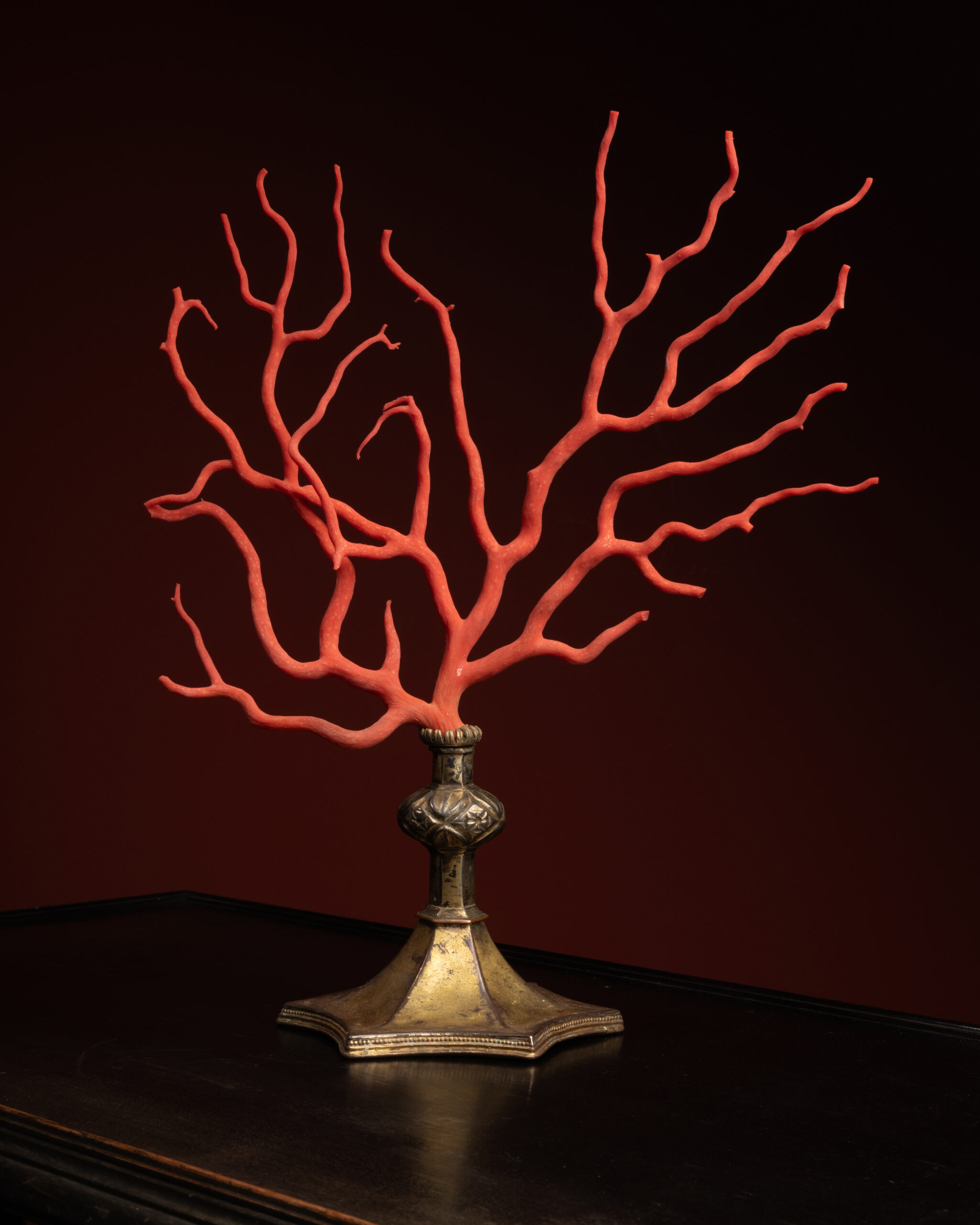
Red coral branch set on a Gothic brass base
Red coral branch set on a Gothic embossed brass base
Coral, brass 15th century (chalice) 38 cm x 30 cm (15 x 11.8 in.)
A branch of red coral mounted on a Gothic embossed and chased brass chalice base. The design of the chalice base combines a knot with floral ornaments and a hexagonal foot. This type of chalice was quite fashionable from the middle of the 13th century to the late of the 14th century, especially in Paris and for the most important commissions. It remained used, however, in the rest of France and Europe throughout the 15th century, especially in England by the 1360s.
Literature
See Un trésor gothique : La châsse de Nivelles, Köln, 1996, Anna-Elisabeth Theuerkauff-Liederwald, Mittelalterliche Bronze- und Messinggefäße. Eimer, Kanne, Lavabokessel, Berlin, 1998 and Virginia Glenn, Romanesque & Gothic Decorative Metalwork and Ivory Carvings in the Museum of Scotland, Edinburgh, 2003.
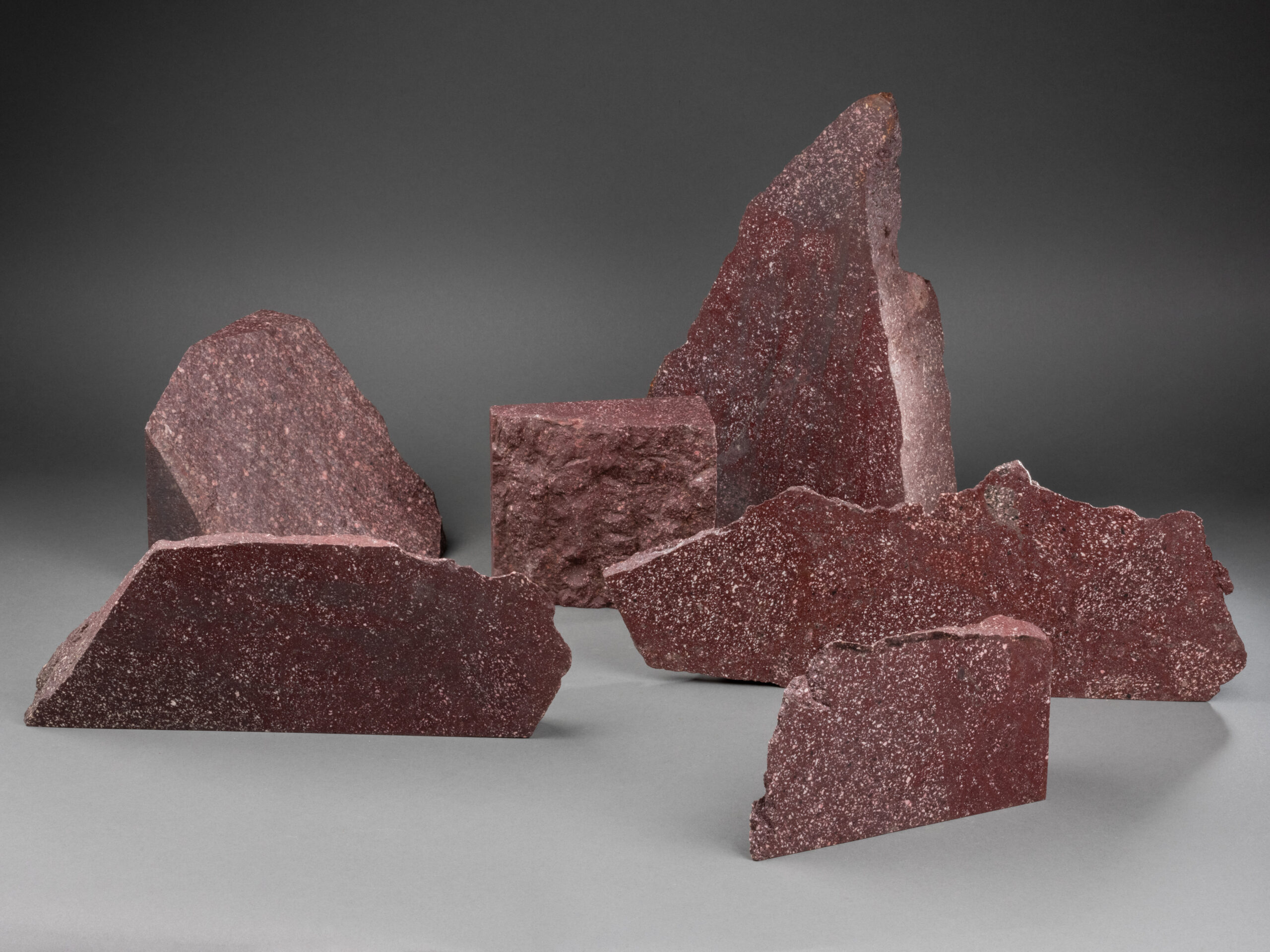
Important set of porphyry blocks
Important set of porphyry blocks
Six blocks of Egyptian porphyry
Ranging in size from 14 to 38 cm long, these red Egyptian porphyry blocks have been partially polished.