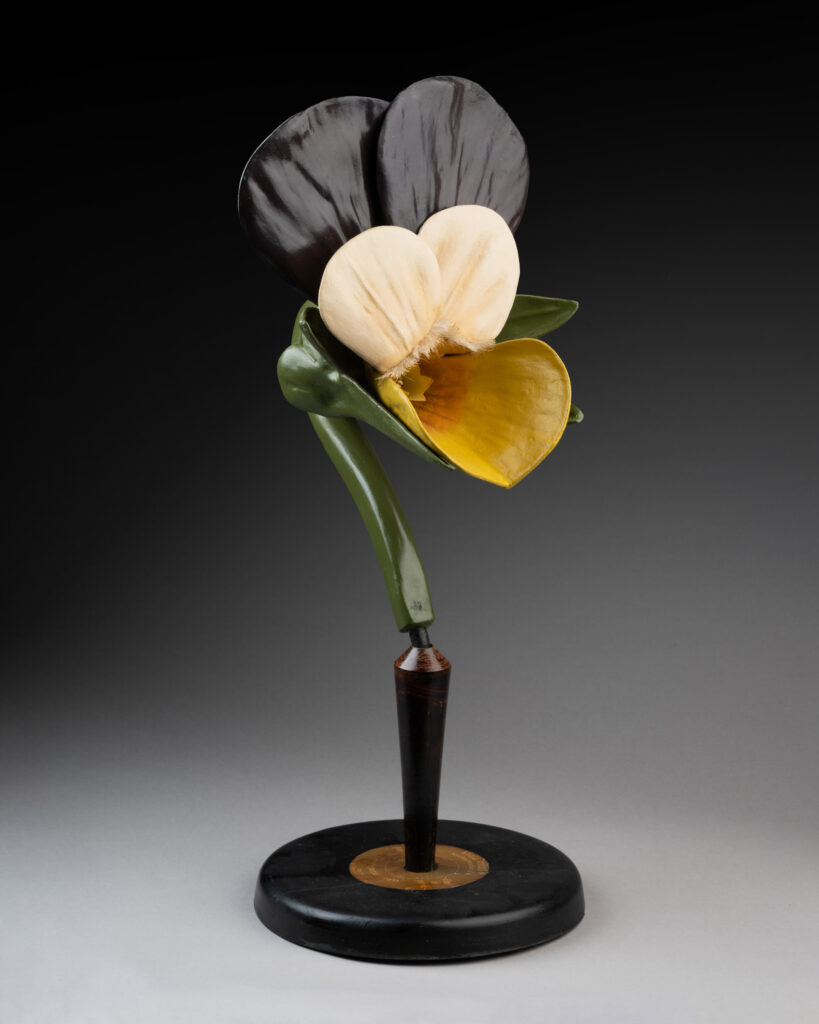
A Botanical Model of a Tulip, by Robert Brendel
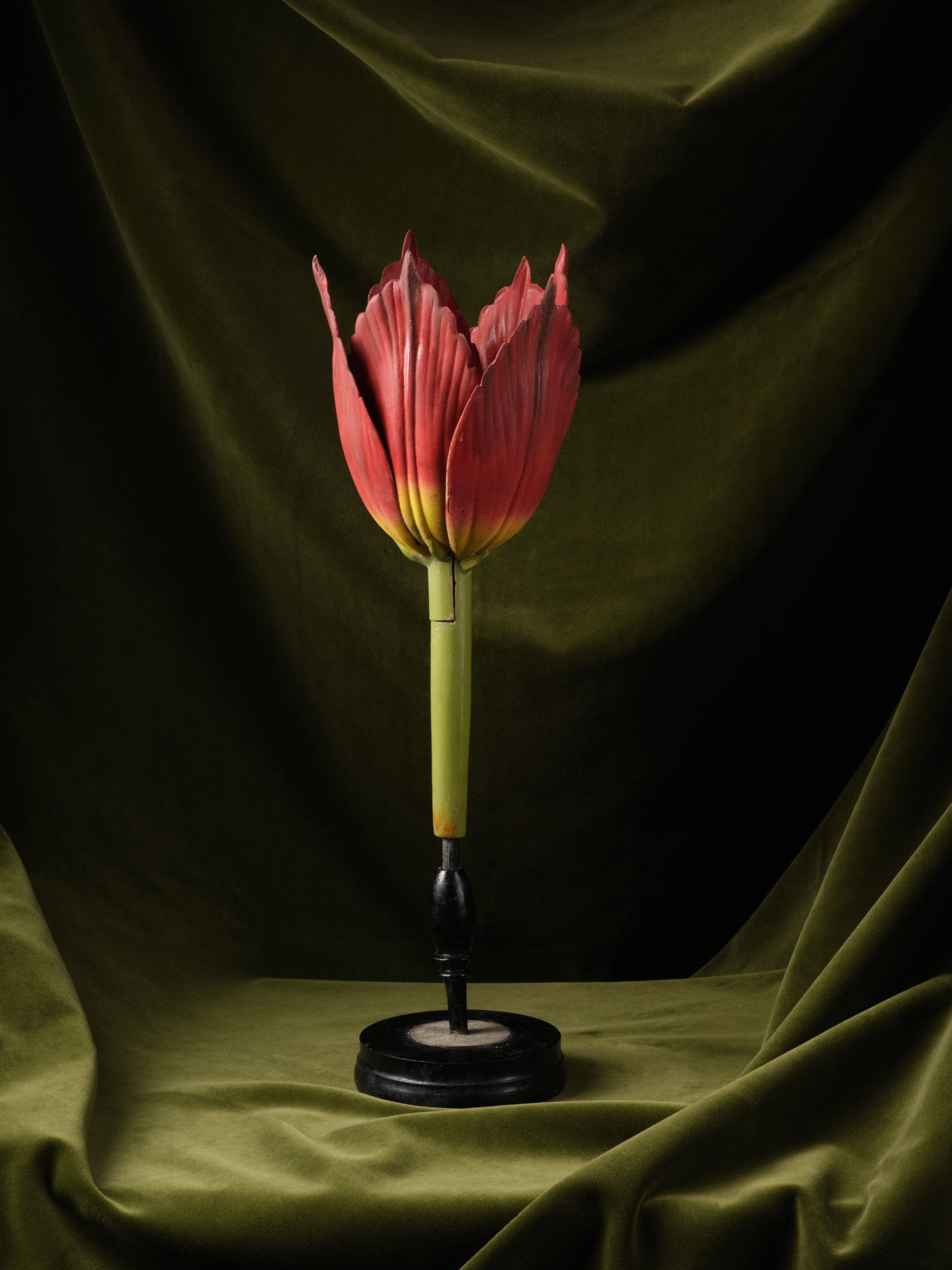
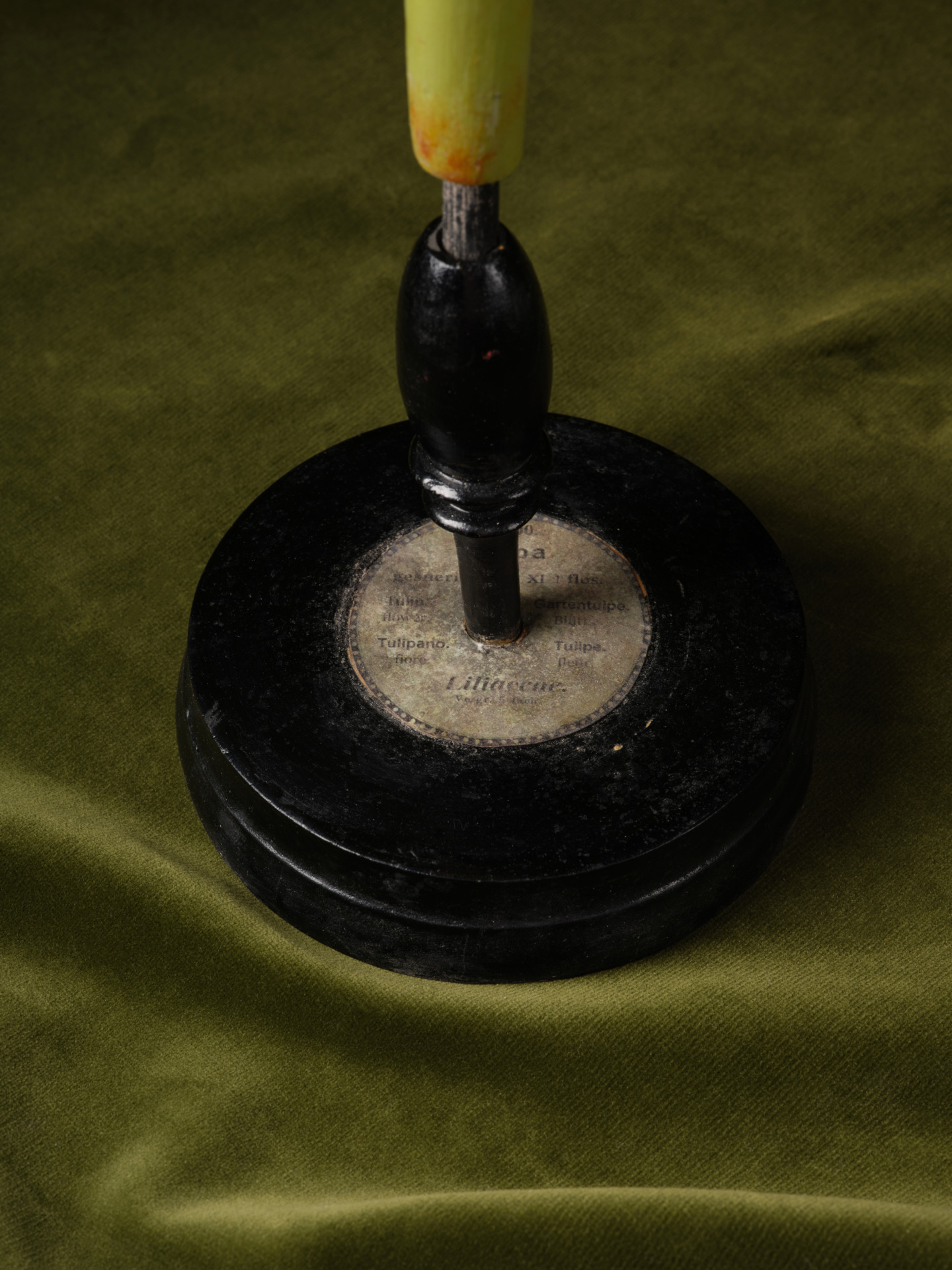
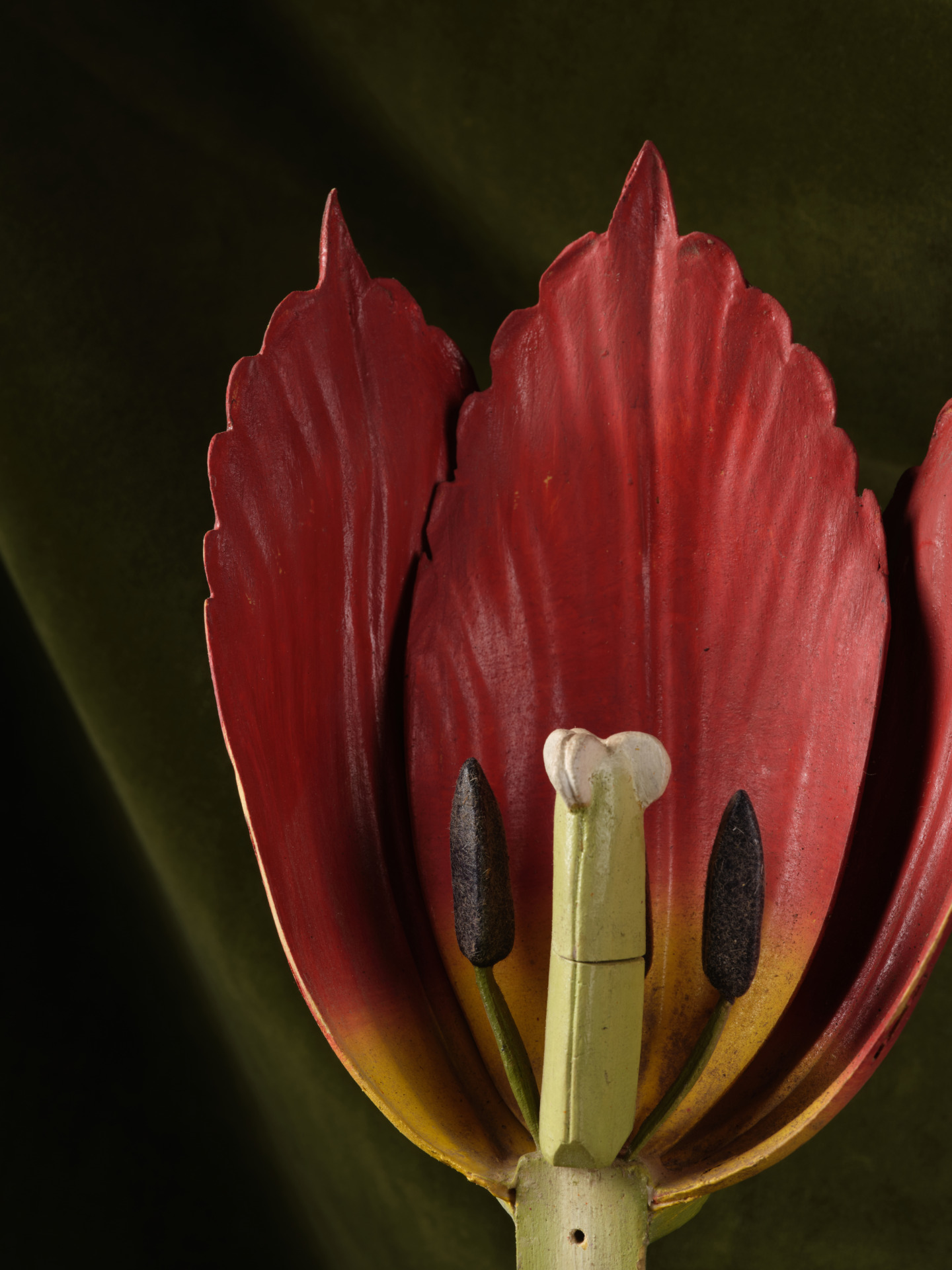
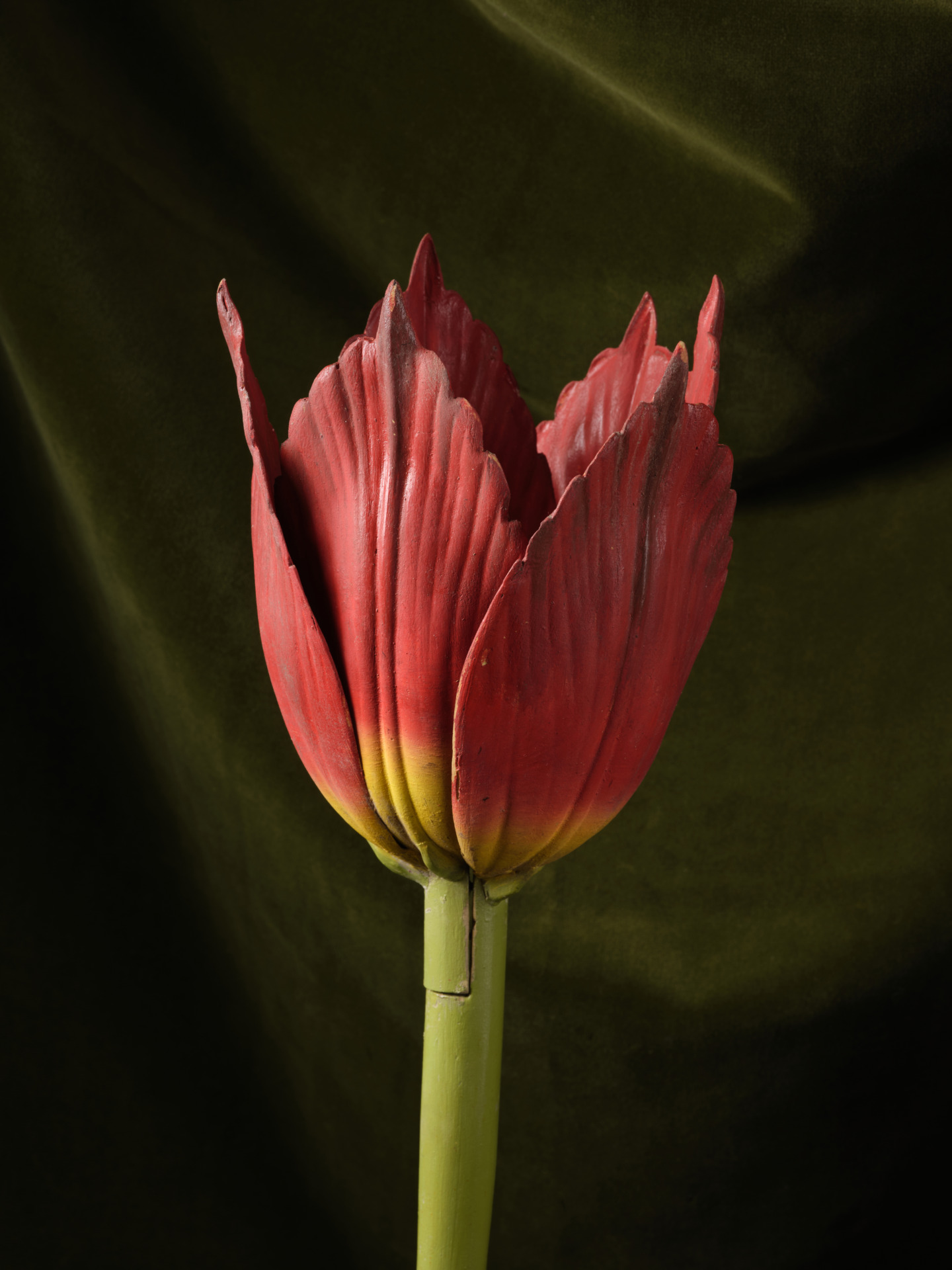
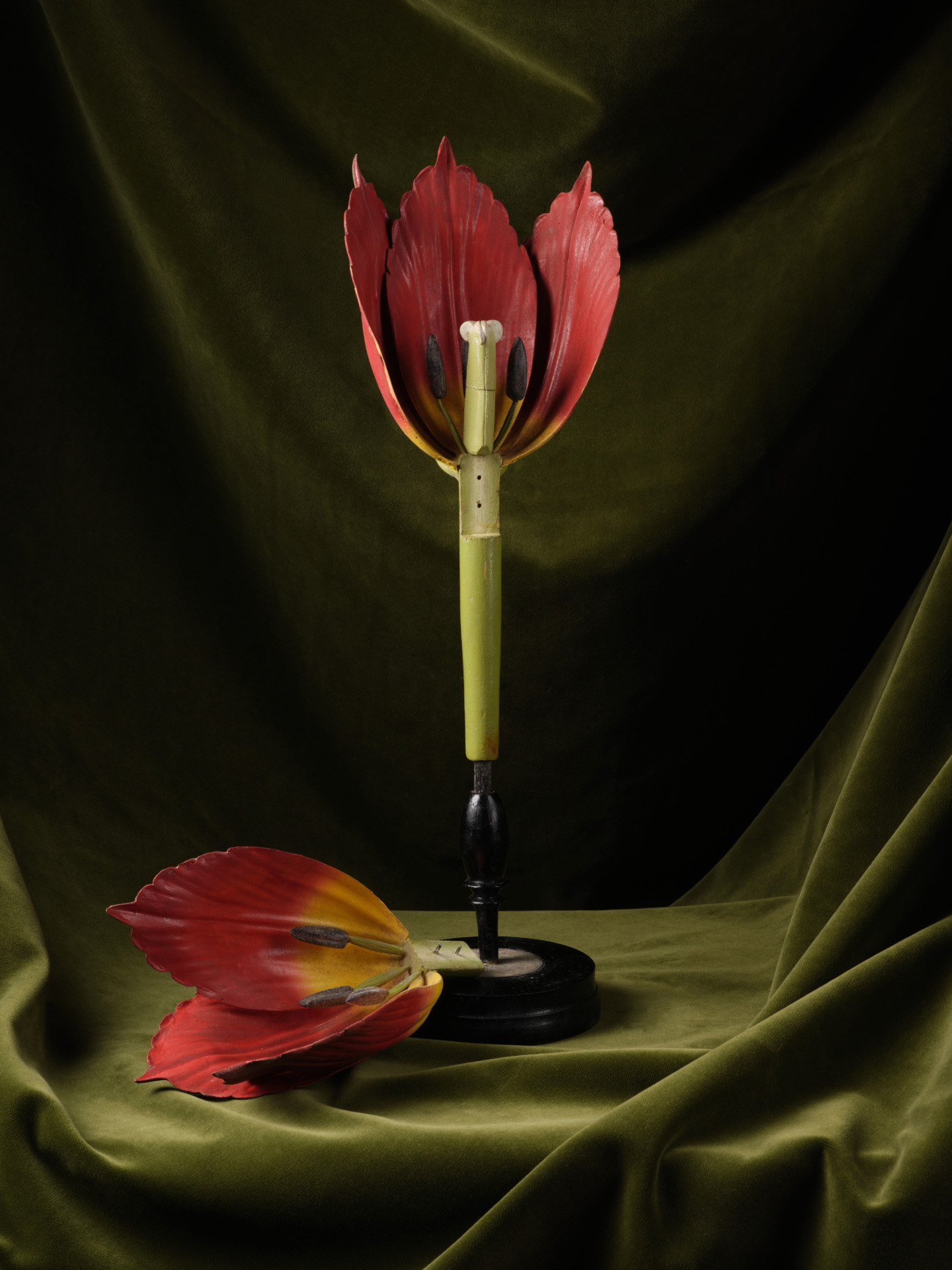
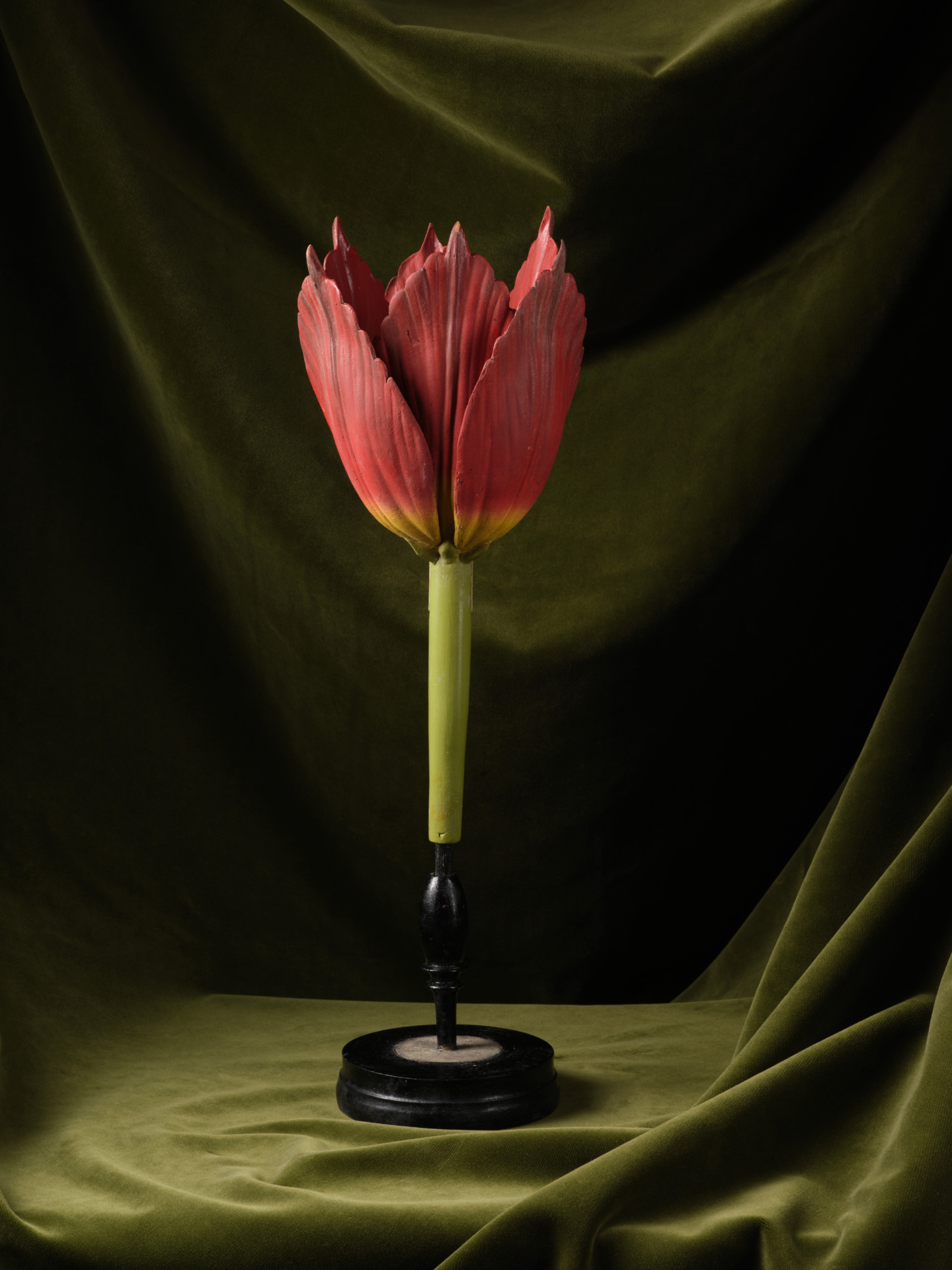
A botanical model of a tulip (Tulipa gesneriana), produced around 1900 by the Brendel firm, then based in Grunewald, on the outskirts of Berlin.
Founded in Breslau (now Wrocław, Poland) in 1866 by Robert Brendel, the workshop made its name with enlarged, modular models of flowers. After the founder’s death in 1898, his son Reinhold took over the firm, which added a medal from the 1900 Exposition Universelle in Paris to the distinctions earned under his father’s direction in Moscow (1872), Cologne (1890) and, above all, Chicago (1893). Designed to teach botany in German universities, the models were soon taken up by institutions across Europe: in England, in the former Austro-Hungarian Empire, in France and, especially, in Italy. The most sophisticated examples are made of several removable parts: here, the corolla and part of the stem separate to reveal a cross-section of the flower.
Rare and fragile, most Brendel flower models are now held in natural history museums or in major university collections, notably the Smithsonian Institution in Washington, the universities of Bologna, Florence and Lille, and the National Museum in Liverpool.
This model corresponds to no. 200 in the Preisliste über Botanische Modelle of 1900.
Literature
See Alexander Tschirch, Erläuterungen zu den botanischen Modellen von Robert Brendel, Berlin, 1885; Reinhold Brendel, Preisliste über Botanische Modelle gefertigt und herausgegeben von R. Brendel, Berlin, 1900; Graziana Fiorini, Luana Maekawa and Peter Stiberc, “Save the Plants: Conservation of Brendel Anatomical Botany Models”, The Book and Paper Group Annual, 27, 2008.